
A commercial lobby floor has a brutal job. It must look expensive under bright lighting, survive thousands of footsteps, handle rolling luggage, tolerate cleaning machines, resist stains, and still support the brand image of the property. In a hotel lobby, office tower entrance, shopping mall atrium, or luxury apartment reception area, the floor is not just decoration. It is the first impression, the traffic surface, the maintenance burden, and the long-term cost center.
That is why more designers and project buyers are paying attention to 3D Quartz. Compared with basic quartz, flat printed surfaces, or high-maintenance natural stone, 3D Quartz can deliver stronger visual movement and more controlled project consistency. Buyers looking for large-format engineered stone surfaces can explore full body 3D printed quartz slabs when they need marble-like depth, stable pattern control, and project-ready slab options for commercial interiors.

What Is 3D Quartz?
3D Quartz Explained for Commercial Flooring Buyers
3D Quartz is an engineered quartz surface designed to create stronger visual depth, layered veining, and more natural stone-like movement than traditional flat quartz patterns. It is commonly produced with quartz minerals, resin binders, pigments, and advanced patterning technology. Depending on the product type, the design may be surface printed, layered, full-body, or engineered to show more convincing vein continuity across visible areas.
For commercial lobbies, 3D Quartz is valued because it can create the luxury impression of marble while offering more predictable tone, pattern, and maintenance behavior. It is not the same as natural marble, porcelain tile, granite, or standard quartz. Its value depends on material quality, pattern depth, thickness, finish, production control, fabrication accuracy, and installation quality.
3D Quartz vs. Standard Quartz
Standard quartz can be durable and practical, but its visual effect may appear flatter, especially in high-end commercial spaces where the floor is part of the design statement. 3D Quartz aims to create stronger vein movement and more dimensional depth. Some full-body 3D Quartz options may also provide a better edge appearance than surface-only printed materials, which matters when the project includes stairs, raised platforms, reception desk details, or exposed edge profiles.
Buyers should not accept the word “3D” blindly. Ask for physical samples, full-slab photos, videos, close-ups, and edge inspection. If the project includes visible edges, this article on 3D full body quartz vs surface printing is especially useful because edge appearance can decide whether the final installation looks premium or slightly awkward. Tiny edge, big drama.
Why Commercial Lobbies Need Stronger Flooring Logic
High-Traffic Flooring Is a Performance Decision
Commercial lobbies face constant walking traffic, luggage wheels, dust, moisture, shoe abrasion, cleaning equipment, coffee spills, and strong lighting. A material may look impressive in a showroom but fail after months of real use. For this reason, lobby flooring should be evaluated as a performance system, not just a design surface.
Buyers should review abrasion resistance, stain resistance, water absorption, slip resistance, surface finish, thickness, flexural strength, dimensional tolerance, installation method, and cleaning plan. If the lobby connects directly to outdoor entrances, wet shoes and rainwater change the risk profile. If the lobby is inside a hotel or office tower with controlled entrance mats, polished or honed options may work more easily. Context matters. Flooring does not live in a brochure; it lives under shoes.
The Cost of Choosing the Wrong Lobby Flooring
Wrong flooring selection can lead to visible scratches, dull walking paths, stain marks, cracked tiles, slippery zones, uneven tone, difficult cleaning, and expensive replacement. Lobby repair is especially painful because commercial entrances cannot easily shut down for long periods. Hotels lose guest experience. Office buildings disrupt tenants. Shopping malls interrupt traffic flow. A cheaper material can become more expensive if it causes maintenance headaches every month.
Design Advantage: Why 3D Quartz Looks Premium in Lobbies
Visual Depth and Natural Stone Appeal
One of the strongest advantages of 3D Quartz is its ability to create natural-stone-inspired movement with more design control. Commercial lobbies often need a refined, memorable visual impression. Marble-look 3D Quartz can provide luxury without the same level of natural marble variation, acid sensitivity, or sealing demands.
Large-format 3D Quartz slabs can reduce joint lines and create a cleaner visual flow. Vein direction can guide movement toward reception desks, elevator halls, retail corridors, or central feature zones. For hotels replacing fragile or rare stone looks, this discussion on 3D printed quartz alternative to rare Calacatta marble helps explain why engineered consistency is becoming more attractive in high-end commercial design.
Consistency for Multi-Area Commercial Projects
Natural stone varies from block to block. That can be beautiful in boutique projects, but risky in large commercial floors where designers need continuity. 3D Quartz can offer more predictable tone and pattern consistency, helping hotels, offices, and malls maintain a coherent appearance across lobbies, lift halls, corridors, reception areas, and adjacent wall features.
| Design Requirement | How 3D Quartz Helps | Buyer Note |
|---|---|---|
| Luxury lobby appearance | Creates marble-like depth and clean engineered elegance | Approve full-slab photos, not only small samples. |
| Large floor continuity | Supports more controlled tone and pattern range | Request batch control and dry layout if needed. |
| Brand-focused interiors | Provides repeatable style for hotels, offices, and retail spaces | Useful for chain projects and repeat locations. |
Performance Advantage: Durability in High-Traffic Areas
Abrasion Resistance and Surface Stability
Quartz-based engineered surfaces are generally designed for hardness, surface stability, and stain resistance. In high-traffic lobbies, abrasion resistance matters because shoe grit, rolling luggage, cleaning machines, and dust can gradually dull weak surfaces. However, the final performance depends on product quality, surface finish, installation system, and maintenance routine.
Buyers should request available test data for abrasion, stain resistance, water absorption, flexural strength, dimensional tolerance, and slip resistance. For hotel and office interiors, design buyers often compare quartz with marble because marble can look beautiful but may require more careful maintenance. This article on modern US hotels using 3D print quartz is relevant when the project goal is luxury appearance with easier operational control.
Stain Resistance and Cleaning Efficiency
Lobbies face coffee spills, rainwater, cosmetics, food stains, mud, dust, cleaning chemicals, and high-frequency mopping. Properly manufactured 3D Quartz can be easier to maintain than many porous natural stones because lower absorption helps reduce stain risk. Daily cleaning should still use suitable neutral cleaners, soft pads, and approved commercial cleaning equipment.
Maintenance is where many projects quietly lose money. A floor that needs frequent polishing, special chemical treatment, or constant stain rescue may look expensive on day one but become a maintenance villain by month six. 3D Quartz can reduce this risk when matched with the right finish and cleaning method.
Dimensional Stability and Long-Term Appearance
Commercial flooring does not depend on slab material alone. Substrate preparation, adhesive selection, movement joints, leveling, and professional installation are equally important. Large-format slabs require careful handling and placement. Poor installation can cause lippage, hollow spots, cracking, debonding, or joint failure. Even a good material cannot save a bad installation. Stone may be hard, but it is not a miracle worker.
| Performance Factor | Why It Matters in Lobbies | Typical Buyer Check | Risk if Ignored |
|---|---|---|---|
| Abrasion resistance | Protects appearance under foot traffic and luggage wheels | Request supplier test data where available | Dull traffic paths and visible wear |
| Slip resistance | Supports public safety near entrances | Confirm finish and local safety requirements | Wet-zone slip risk |
| Thickness | Affects strength, handling, and installation method | Match thickness to project and substrate | Cracking or installation instability |
| Stain resistance | Reduces cleaning burden from spills and dirt | Review surface quality and maintenance guidance | Visible stains and higher care cost |
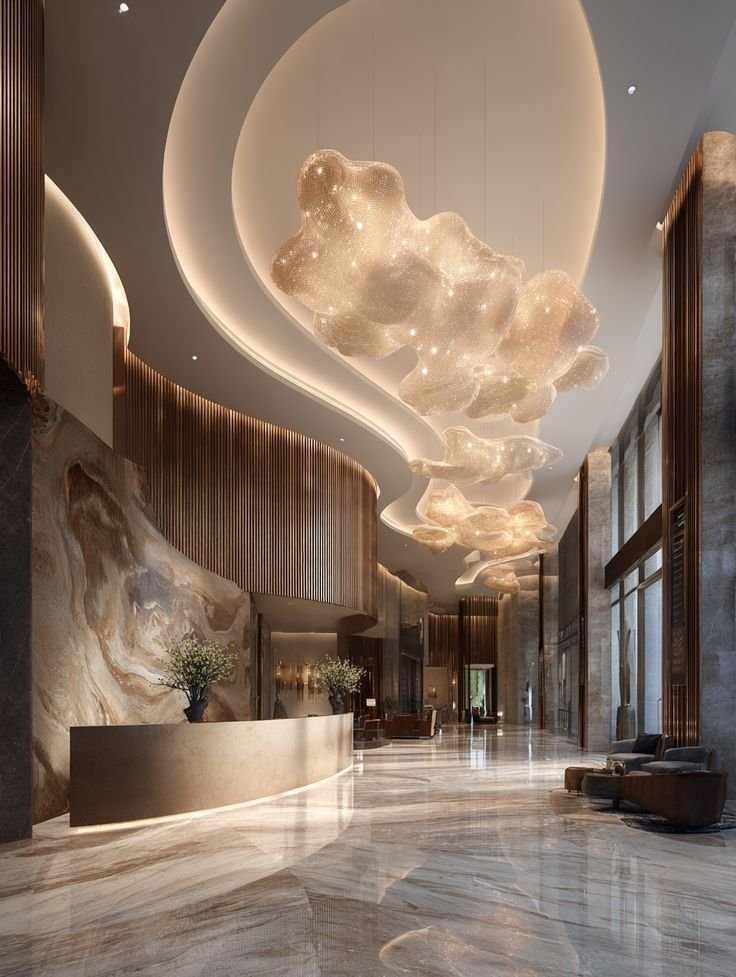
3D Quartz vs. Marble, Granite, Porcelain Tile, and Standard Quartz
3D Quartz vs. Natural Marble
Natural marble offers geological uniqueness and luxury. It can be excellent for premium interiors where the project accepts variation, sealing, polishing, and careful maintenance. However, many marble types can be vulnerable to acid etching, staining, and uneven wear in high-traffic commercial floors. 3D Quartz offers a more controlled alternative for buyers who want marble-like beauty with easier care.
3D Quartz vs. Granite
Granite is durable and natural, but its visual character is usually more granular and less marble-like. For heavy-duty areas where natural durability is the main goal, granite can be suitable. For refined hotel lobbies, office entrances, and luxury commercial interiors, 3D Quartz may offer a cleaner and more design-controlled surface language.
3D Quartz vs. Porcelain Tile
Porcelain tile is widely used in commercial flooring because it is durable, available in many finishes, and often cost-effective. It may be the better choice for strict slip-rated flooring, wet zones, or tighter budget control. 3D Quartz may be stronger when the project wants a more solid engineered stone feel, larger slab appearance, and premium lobby positioning.
3D Quartz vs. Standard Quartz
Standard quartz can work well in many commercial surfaces, but its patterning may not provide the same visual depth. For back-of-house or simple commercial areas, standard quartz may be enough. For front lobby floors, reception zones, VIP entrances, and hospitality areas, 3D Quartz can justify the upgrade through stronger visual impact and more premium spatial presence.
| Material | Visual Effect | Maintenance Level | Best Use | Buyer Recommendation |
|---|---|---|---|---|
| 3D Quartz | Marble-like depth with engineered control | Moderate to low when maintained properly | Hotels, offices, luxury apartment lobbies | Choose for premium design and easier care. |
| Natural marble | Unique natural luxury | Higher | Boutique luxury spaces | Choose if natural uniqueness matters most. |
| Porcelain tile | Wide design range | Low | Budget-sensitive or strict slip-rated areas | Choose when safety rating and cost control lead. |
Ideal Commercial Lobby Applications for 3D Quartz
Hotel Lobbies and Reception Floors
Hotels need strong first impressions and practical daily cleaning. 3D Quartz can create luxury flooring with controlled veining and consistent tone. It works well around reception desks, waiting areas, lift lobbies, corridor transitions, and feature zones. Near entrances, buyers should consider mats, drainage, and appropriate surface finish to reduce wet-zone risk.
Office Towers and Corporate Entrances
Corporate lobbies require professional, clean, and durable surfaces. 3D Quartz supports modern luxury without excessive natural randomness. Neutral tones pair well with metal, glass, wood, wall panels, and warm lighting. For office towers, the best flooring is not the loudest material; it is the one that looks polished every morning with predictable maintenance.
Shopping Malls and Retail Atriums
Shopping mall floors face heavy foot traffic, cleaning machines, food spills, and frequent visual exposure. 3D Quartz may be used in premium retail corridors, VIP areas, luxury store entrances, and branded lobby zones. For extremely heavy traffic, verify thickness, finish, slip performance, slab format, and installation system before approval.
Luxury Apartment and Mixed-Use Building Lobbies
Residential and mixed-use lobbies need upscale appearance and long-term value. 3D Quartz can create a refined look while reducing some maintenance concerns associated with softer natural stones. It can also coordinate with wall panels, elevator surrounds, reception counters, and feature furniture.
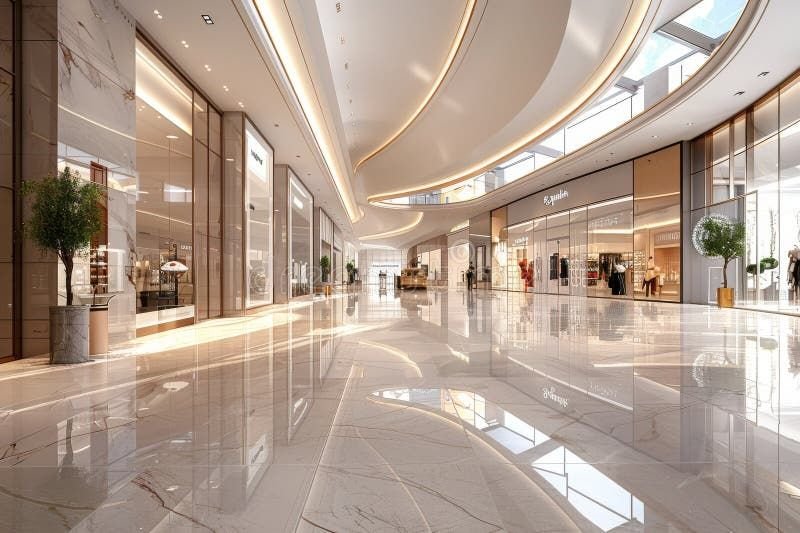
Material Parameters Buyers Should Confirm Before Ordering
Thickness, Size, Finish, and Edge Details
Common slab thickness may include 12mm, 15mm, 18mm, 20mm, or 30mm depending on the product and supplier. Flooring usually requires thickness selection based on slab size, traffic level, substrate quality, and installation method. Large-format slabs reduce joints but require careful handling, skilled installation, and strong packing.
Finish options may include polished, honed, matte, textured, or anti-slip treatments depending on supplier capability. If stairs, raised platforms, or exposed edges are part of the project, confirm whether the pattern depth supports the intended edge appearance. Buyers who need a complete overview can read the definitive guide to 3D print full body quartz to better understand design, structure, and modern surface applications.
Surface Finish and Slip Resistance
Polished surfaces can look highly luxurious, but they may become more slippery in wet conditions. Matte or textured finishes may improve grip but require different cleaning methods. Entrance zones may need mats, zoning strategy, or higher slip-resistance materials. Buyers should confirm local safety requirements and request slip-resistance data where relevant.
Batch Consistency and Slab Matching
Commercial lobbies require consistent tone and pattern across large areas. Buyers should request batch photos, sample approval, dry layout, numbering, packing photos, and pre-shipment inspection for larger projects. Replacement slabs should be reserved when possible because commercial flooring repairs are easier when matching materials are available.
| Specification Item | Common Option | Why It Matters | Buyer Recommendation |
|---|---|---|---|
| Thickness | 12mm, 15mm, 18mm, 20mm, 30mm | Affects strength, handling, and installation | Match thickness with traffic level and substrate. |
| Finish | Polished, honed, matte, textured | Controls appearance, cleaning, and slip behavior | Use zone-based finish selection for entrances. |
| Pattern type | Surface, layered, full-body, 3D printed | Affects edge appearance and visual depth | Inspect physical samples and edge details. |
Installation Factors That Decide Final Performance
Substrate Preparation and Leveling
Commercial floors require a stable substrate and accurate leveling. Uneven substrate can cause hollow spots, lippage, cracks, and stress concentration. Large-format slabs are less forgiving than small tiles because they need more precise preparation. Moisture conditions should also be checked before installation.
Adhesive, Joint Design, and Movement Control
Correct adhesive selection matters for engineered stone flooring. Expansion joints and movement joints help manage thermal and structural movement. Large commercial areas need joint planning. Improper joint design can lead to cracking, debonding, or surface irregularities. The slab supplier, adhesive supplier, and installer should not work like three strangers at a bus stop. They need coordination.
Cleaning and Maintenance After Installation
Initial cleaning should remove installation residues carefully. Daily maintenance should use suitable neutral cleaners. Abrasive pads or harsh chemicals should be avoided unless approved. Commercial cleaning machines should use correct pads and pressure settings. Maintenance training helps preserve surface appearance and reduce long-term care cost.
Industry Trends: Why 3D Quartz Is Gaining Attention
Commercial Interiors Want Marble-Look Surfaces With Easier Maintenance
Hotels, offices, and retail properties want luxury materials without excessive care complexity. 3D Quartz responds to this trend by combining stone-inspired visual depth with engineered consistency. Designers can achieve marble-like lobby floors without fully accepting the maintenance unpredictability of some natural marble surfaces.
Larger Format and Fewer Visual Interruptions
Large slabs are increasingly popular because fewer joints create cleaner visual flow. This is especially valuable in lobbies where the floor is viewed from multiple angles. However, large formats require careful logistics, professional installation, and better substrate control. Bigger slabs look elegant; they also demand respect.
Brand-Oriented Lobby Design
Commercial lobbies are becoming brand spaces. Flooring contributes to photography, lighting, guest experience, wayfinding, and property positioning. 3D Quartz helps create controlled, repeatable interiors for hotel groups, office developers, and commercial design firms that need consistency across projects.
Regulations, Safety, and Quality Standards
Slip Resistance and Public Space Safety
Commercial floors should meet local slip-resistance and safety requirements. Wet entrance areas require extra caution. Polished flooring may need mats, drainage, zoning strategy, or alternative finishes. Buyers should request slip test data where required and avoid assuming that all quartz finishes behave the same.
Indoor Environmental and Material Declarations
Commercial projects may require low-emission materials, VOC documentation, or environmental declarations depending on region and project type. For green building projects, supplier documentation may support specification approval. Buyers should request available test reports and material declarations early.
Fabrication and Inspection Requirements
Buyers should confirm dimensional tolerance, surface finish, color range, slab inspection, packaging, and shipping protection. For large projects, pre-shipment inspection and piece numbering reduce installation risk. A commercial floor is too visible to gamble on unknown slab quality.
Common Mistakes When Buying 3D Quartz for Commercial Lobbies
Mistake 1: Choosing Only by Small Sample
Small samples may not show full pattern movement, slab variation, or edge behavior. Buyers should request full slab photos, videos, batch range, and physical samples before approval.
Mistake 2: Ignoring Slip Resistance
A beautiful polished floor can become risky near wet entrances. Buyers should confirm finish and slip performance based on lobby zones and local safety requirements.
Mistake 3: Not Planning Joints and Installation
Large slabs may crack, lift, or show lippage if installation is poor. Coordinate slab size, substrate, adhesive, joint plan, and installer capability before ordering.
Mistake 4: Treating 3D Quartz Like Natural Marble
Wrong assumptions about edge appearance, pattern depth, and maintenance can create disappointment. Confirm whether the material is full-body, layered, or surface patterned.
Mistake 5: Choosing Supplier by Price Only
Low price can hide poor slab consistency, weak packing, surface defects, late delivery, or limited project support. For commercial lobbies, supplier reliability is part of the material performance.
How to Choose a Reliable 3D Quartz Supplier
What a Professional Supplier Should Provide
A professional 3D Quartz supplier should provide full slab photos, physical samples, batch range confirmation, thickness options, finish options, slip-resistance information, stain and abrasion data where available, large-format supply capability, cut-to-size support, dry layout support if needed, packing photos, export documentation, project lead time, and after-sales communication.
Supplier experience matters because commercial projects need more control than small residential orders. Buyers can review Miyastone 3D Quartz supplier capability when evaluating whether a partner can support project communication, slab inspection, batch control, and export supply.
Manufacturer vs. Supplier vs. Wholesale Buyer Logic
If you need a hotel or office lobby project, choose a supplier with project slab control and batch consistency. If you need cut-to-size flooring, choose a factory with fabrication support. If you need container-level supply, compare 3D Quartz wholesale options but verify inspection and packing. If you are a distributor, prioritize repeatable colors and stable stock. If you are a designer, prioritize full slab appearance and finish samples.
For project matching, buyers can contact Miyastone with floor area, traffic level, slab size preference, finish requirement, pattern style, installation zone, and project schedule. Clear project data helps the supplier recommend the right 3D Quartz slabs instead of guessing, and guessing is not a flooring strategy. It is just hope with a purchase order.
Recommended Buyer Checklist Before Ordering
| Checklist Item | Why It Matters | Buyer Action |
|---|---|---|
| Traffic level | Determines finish, thickness, and maintenance needs | Define hotel, office, mall, or luxury residential lobby use. |
| Finish | Affects appearance and slip behavior | Match polished, honed, matte, or textured finish to zone. |
| Pattern depth | Controls visual quality and edge appearance | Confirm full-body or surface-pattern structure. |
| Installation plan | Prevents lippage, cracks, hollow spots, and joint failure | Coordinate substrate, adhesive, joints, and installer capability. |
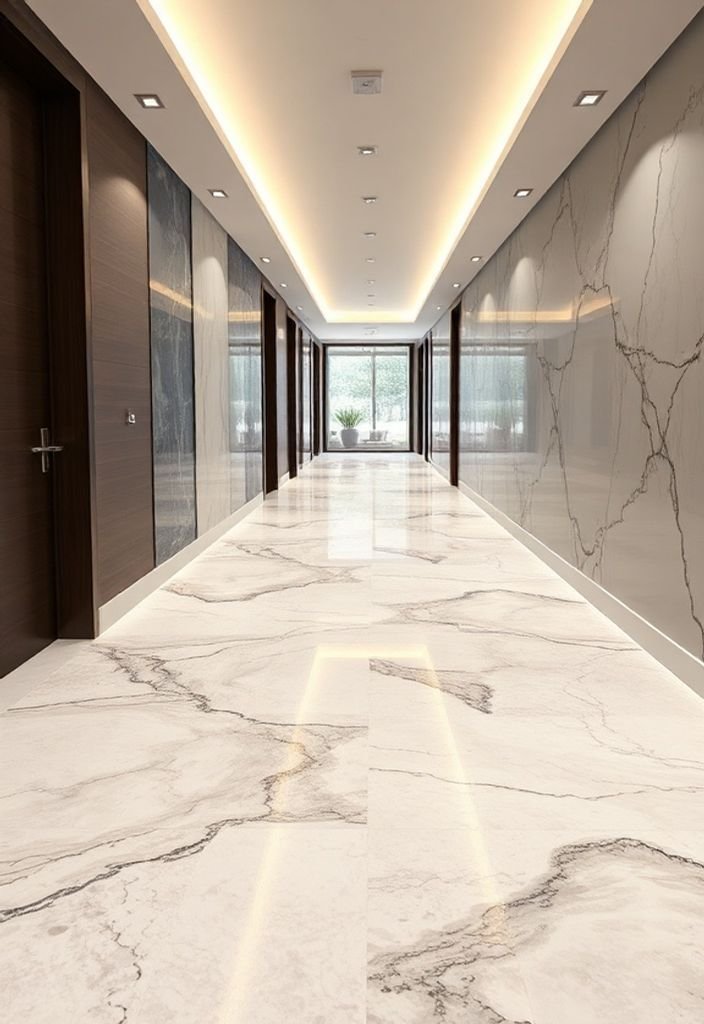
FAQ
1. Is 3D Quartz good for commercial lobby flooring?
Yes, 3D Quartz can be suitable for commercial lobby flooring because it combines premium visual depth, engineered consistency, stain resistance, and easier maintenance compared with some natural stones. Buyers should still confirm finish, slip resistance, thickness, installation method, substrate condition, and project traffic level before final approval.
2. Is 3D Quartz better than marble for high-traffic lobbies?
3D Quartz may be better than marble when buyers want a marble-like appearance with more consistent color, controlled pattern range, and easier maintenance. Marble may still be better when natural geological uniqueness is the top priority and the project accepts higher sealing, polishing, and care requirements. The best choice depends on design goals and maintenance capacity.
3. What thickness is best for 3D Quartz flooring?
The best thickness for 3D Quartz flooring depends on slab size, installation method, substrate condition, traffic level, and supplier recommendations. Commercial flooring usually requires careful thickness selection and professional installation rather than choosing by appearance only. Buyers should confirm thickness, adhesive system, joint plan, and substrate preparation before ordering.
4. Is polished 3D Quartz slippery?
Polished 3D Quartz surfaces can be more slippery in wet conditions, especially near entrances or areas exposed to rainwater. For commercial lobbies, buyers should confirm slip-resistance data where required and consider matte, textured, zoned, or entrance-mat solutions. Finish selection should match both design goals and public safety requirements.
5. How do buyers maintain 3D Quartz lobby floors?
Buyers can maintain 3D Quartz lobby floors by using suitable neutral cleaners, avoiding harsh abrasive pads, cleaning spills promptly, managing entrance dirt with mats, and following supplier maintenance recommendations. Commercial cleaning equipment should use approved pads and pressure settings so the surface remains clean, stable, and visually professional over time.
References
1. Dimension Stone Design Manual — Natural Stone Institute — Commercial Stone Design Guidance.
2. Stone in Architecture: Properties, Durability — Siegfried Siegesmund and Rolf Snethlage — Springer.
3. Time-Saver Standards for Interior Design and Space Planning — Joseph DeChiara, Julius Panero, Martin Zelnik — McGraw-Hill.
4. Floor Coverings: Performance, Installation and Maintenance — RIBA Publishing — Commercial Interior Reference.
5. Standard Test Method for Static Coefficient of Friction of Ceramic Tile and Other Like Surfaces — ASTM International — ASTM C1028 Historical Reference.
6. Test Method for Measuring Dynamic Coefficient of Friction of Hard Surface Flooring Materials — ANSI A326.3 — Tile Council of North America.
7. Standard Test Methods for Absorption and Bulk Specific Gravity of Dimension Stone — ASTM International — ASTM C97.
8. Standard Test Method for Abrasion Resistance of Stone Subjected to Foot Traffic — ASTM International — ASTM C241/C1353 Reference Standards.
How Buyers Should Evaluate 3D Quartz for Lobby Flooring
How should buyers understand 3D Quartz?
3D Quartz is an engineered quartz surface designed to provide stronger visual depth, marble-like movement, and more controlled pattern consistency than many basic quartz surfaces. For commercial lobbies, its value comes from combining premium appearance with practical maintenance and project repeatability.
Why is 3D Quartz useful for high-traffic commercial lobbies?
Commercial lobbies need floors that handle foot traffic, rolling luggage, cleaning routines, spills, lighting exposure, and brand presentation. 3D Quartz can support these needs by offering refined visual depth, controlled slab matching, stain resistance, and easier daily cleaning compared with some porous natural stones.
What option should different projects choose?
If the project needs marble-like luxury with easier maintenance, choose 3D Quartz. If the project values natural geological uniqueness above maintenance control, natural marble may still be suitable. If strict wet-zone slip performance or tighter budget control is the priority, porcelain tile may be practical. If the lobby uses stairs or exposed edges, full-body or deeper-pattern 3D Quartz should be confirmed.
What should buyers consider before ordering?
Buyers should confirm traffic level, floor area, slab size, thickness, finish, slip-resistance requirement, pattern direction, full-body or surface-pattern structure, batch consistency, cut-to-size needs, stair details, substrate condition, adhesive recommendation, joint planning, cleaning method, packing method, lead time, and supplier project experience.
What is the practical recommendation?
Do not choose commercial lobby flooring only by small samples or price. Request full slab photos, inspect edge details, confirm finish performance, evaluate installation conditions, and plan maintenance before ordering. The best 3D Quartz lobby floor should look premium on day one and remain professional after thousands of footsteps.


