
Quick Summary:Modern US hotels are increasingly choosing Quartz and 3D Print Quartz instead of Natural Marble for guest bathrooms, vanity tops, reception counters, café counters, and other high-use hospitality surfaces. The main reasons are lower water absorption, easier cleaning, better stain resistance, stronger batch consistency, marble-like design realism, and reduced long-term maintenance pressure compared with Natural Marble.
A US hotel renovation team is planning 220 guest bathrooms. The designer wants the timeless look of white marble. The operations manager is worried about acidic cleaners, hair dye, cosmetics, toothpaste, water stains, guest misuse, room downtime, and housekeeping labour. The purchasing team wants the same visual tone across every room. The fabricator asks whether the material can be cut, edged, polished, packed, shipped, and replaced consistently.
This is the exact reason many modern hospitality projects are rethinking the traditional use of Natural Marble. Natural Marble is beautiful, authentic, and prestigious. Nobody sensible is pretending otherwise. But hotels are not museums. Hotel surfaces face daily abuse from guests, cleaning teams, food service, luggage, cosmetics, chemicals, and constant use. A material that looks perfect on opening day must still perform after thousands of check-ins.
That is why Quartz, especially 3D Print Quartz, is becoming a preferred material for high-use hotel surfaces. It offers the marble-look design that guests love, while giving owners, designers, and procurement teams a more predictable surface for large-scale hospitality projects. For buyers who want to understand supplier background, production positioning, and project capability before specifying engineered quartz surfaces, the Quartz manufacturer profile provides a useful starting point for evaluating long-term cooperation.
This article explains why US hotels are moving from Natural Marble to 3D Print Quartz in high-frequency areas, where marble still makes sense, what technical data matters, what certifications buyers should verify, and how hotel developers should choose the right supplier without falling into the classic trap of buying a pretty sample and discovering the problems after installation.

What Is 3D Print Quartz and Why Is It Different from Traditional Quartz?
A Practical Definition for Hotel Buyers
3D Print Quartz refers to engineered quartz slabs produced with advanced patterning technology to create deeper, more natural, marble-like veining. It is designed to imitate the movement of Natural Marble while maintaining the practical advantages of engineered quartz, including low water absorption, easier maintenance, and stronger consistency across multiple slabs.
Depending on supplier terminology, it may also be called 3D printed quartz slabs, full-body printed quartz, marble look quartz, engineered quartz slabs, or full-body 3D quartz. For hotel buyers, the key question is not only what the product is called. The real question is whether the slab looks realistic after cutting, edging, fabrication, and installation.
For hotel designers and fabricators comparing available engineered stone formats, the Quartz slabs category offers a practical reference for understanding how engineered quartz can be used across countertops, vanities, wall panels, reception counters, and commercial interiors.
How 3D Print Quartz Improves Marble-Look Design
Older quartz designs sometimes looked flat, repetitive, or obviously printed. That was acceptable for basic countertops, but it was not always convincing for boutique hotels, luxury vanities, high-end reception counters, or large feature surfaces. 3D Print Quartz improves this by creating more layered veins, softer transitions, stronger visual depth, and more natural-looking movement.
Premium 3D Print Quartz is especially valuable when the project needs a marble-inspired surface but cannot accept the maintenance sensitivity of Natural Marble. In hotel bathrooms, the surface may need to look like stone but behave like a practical commercial material. That is the design sweet spot.
What Engineered Quartz Is Made From
Engineered quartz is usually made from quartz minerals, resin binders, pigments, and performance additives. Many quality quartz products use high mineral content, often around 88%–94% by weight, although exact ratios vary by manufacturer, slab type, colour, resin system, and production process. The quartz mineral content supports hardness and durability, while the resin binder supports bonding, fabrication, and surface performance.
Because engineered quartz contains resin, buyers should consider heat exposure, indoor air quality documentation, VOC testing, and product-specific certification. Quartz is not indestructible. It is simply much more operationally predictable than marble in many high-use hotel environments.
| Feature | Traditional Quartz | 3D Print Quartz | Hotel Buyer Impact |
|---|---|---|---|
| Vein Depth | Often flatter | More layered and realistic | Better marble-look effect |
| Pattern Realism | May repeat visibly | More natural movement | Better design value for hotels |
| Edge Appearance | Depends on slab type | Improved in premium grades | Important for vanities and counters |
| Batch Consistency | Strong | Strong | Useful for multi-room projects |
| Maintenance | Low | Low | Good for hotel operations |
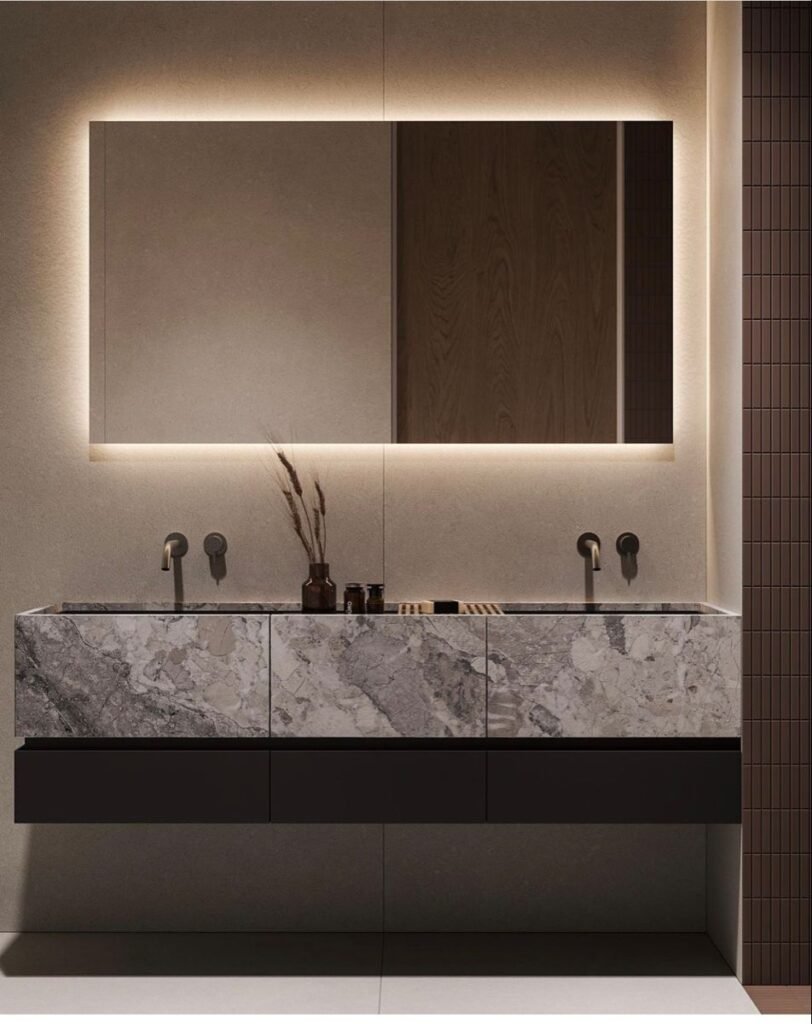
Why Modern US Hotels Are Moving from Natural Marble to Quartz
Hotel Surfaces Face Abuse That Residential Materials Often Do Not
A hotel bathroom vanity does not live the same life as a residential bathroom countertop. Guests may leave cosmetics, soap, acidic skincare products, toothpaste, hair dye, perfume, coffee cups, cleaning sprays, and wet towels on the surface. Housekeeping teams clean quickly and repeatedly. The surface must survive both guest behaviour and operational cleaning routines.
Lobby counters and reception desks face luggage, keys, card readers, pens, coffee spills, staff equipment, and constant contact. Café counters and breakfast areas face food, oil, drinks, sanitizers, and frequent wiping. Hotel materials must survive design review, installation, daily use, cleaning schedules, guest reviews, and future repairs. Pretty is not enough. Pretty has to work overtime.
Natural Marble Is Beautiful but Maintenance-Sensitive
Natural Marble is carbonate-based, which means it is sensitive to acidic substances. Lemon juice, vinegar, wine, acidic cleaners, and some toiletries can cause etching. Marble can also stain if it is not sealed and maintained properly. In a private residence, this may be manageable. In a 200-room hotel, it becomes an operations question.
Marble also has natural variation. That is part of its charm, but it can create challenges in large projects where every room must look consistent. Matching replacement slabs years later can also be difficult. For a boutique lobby feature wall, variation is beautiful. For hundreds of guest vanities, variation can become a procurement headache.
Quartz Offers Operational Predictability
Quartz offers lower water absorption, better resistance to many common stains, easier cleaning, and stronger batch consistency. This is why many US hotels use quartz for guest bathrooms, vanity tops, café counters, reception counters, and commercial surfaces. It helps reduce cleaning complexity, maintenance labour, replacement risk, and room downtime.
For buyers specifically comparing full-body patterning and surface realism, Full Body 3D Printed Quartz is especially relevant because hotel vanities, counters, and feature surfaces often expose edges, seams, and cut-outs after fabrication.
Buyer Decision Logic
If the surface is guest-facing and high-use, choose Quartz. If the surface is decorative and controlled, Natural Marble can still work beautifully. If the project needs marble-look consistency across many rooms, choose 3D Print Quartz. If the project needs unique natural art in a lobby or spa feature wall, choose selected Natural Marble slabs. The smarter hotel material strategy is not “Quartz beats marble everywhere.” It is “use each material where it performs best.”
Quartz vs Natural Marble: Technical Performance Comparison for Hotels
Hardness and Scratch Resistance
Quartz typically has a Mohs hardness around 6–7, while Natural Marble is usually around 3–4. This means Quartz is generally more resistant to daily scratches from guest use, cleaning tools, toiletry containers, luggage contact, and bathroom items. Marble can still perform well in hotels, but it needs more careful placement and maintenance expectations.
Water Absorption and Stain Resistance
Quality Quartz usually has very low water absorption, often around ≤0.05% depending on the manufacturer and test standard. Natural Marble absorption varies by stone type, density, finish, and sealing condition, but it is generally more porous than quartz. In hotel bathrooms, lower absorption helps reduce staining, cleaning difficulty, and hygiene concerns.
Acid Etching
Natural Marble is vulnerable to acid etching because it reacts with acidic substances. Quartz generally resists acid etching better, although harsh chemicals can still damage resin or surface finish. Hotels use a wide range of cleaning products, so chemical compatibility should be reviewed before final specification.
Heat and UV Considerations
Natural Marble can handle heat better than quartz in some contexts because quartz contains resin binders. Quartz should be protected from extreme direct heat. It is also mainly recommended for indoor use, as some quartz products may be affected by prolonged UV exposure. For indoor hotel vanities and reception counters, Quartz is often practical. For exterior sun-exposed surfaces, buyers should verify product suitability carefully.
| Performance Factor | Quartz | Natural Marble | Hotel Buyer Meaning |
|---|---|---|---|
| Mohs Hardness | 6–7 | 3–4 | Quartz resists scratches better |
| Water Absorption | Very low, often ≤0.05% | Higher and stone-dependent | Quartz is easier for bathrooms |
| Acid Resistance | Better than marble | Sensitive to acids | Marble can etch |
| Pattern Consistency | Strong | Natural variation | Quartz is easier for multi-room projects |
| Maintenance | Lower | Higher | Quartz reduces operational burden |
| Heat Resistance | Moderate; avoid direct heat | Better natural heat tolerance | Use care in bars and kitchens |
Where US Hotels Use 3D Print Quartz Most Often
Guest Bathroom Vanity Tops
Guest bathrooms are one of the strongest use cases for Quartz for hotel interiors. Vanities face water, cosmetics, soap residue, cleaning chemicals, and repeated use. 3D Print Quartz gives designers a marble-like visual without exposing operations teams to the same level of etching and staining risk associated with Natural Marble.
For hotels looking for a classic marble-inspired look, Calacatta White Quartz Stone can support bright guest bathrooms, vanity tops, wall surfaces, and clean luxury interiors where consistency and easy maintenance matter.
Reception Counters and Lobby Desks
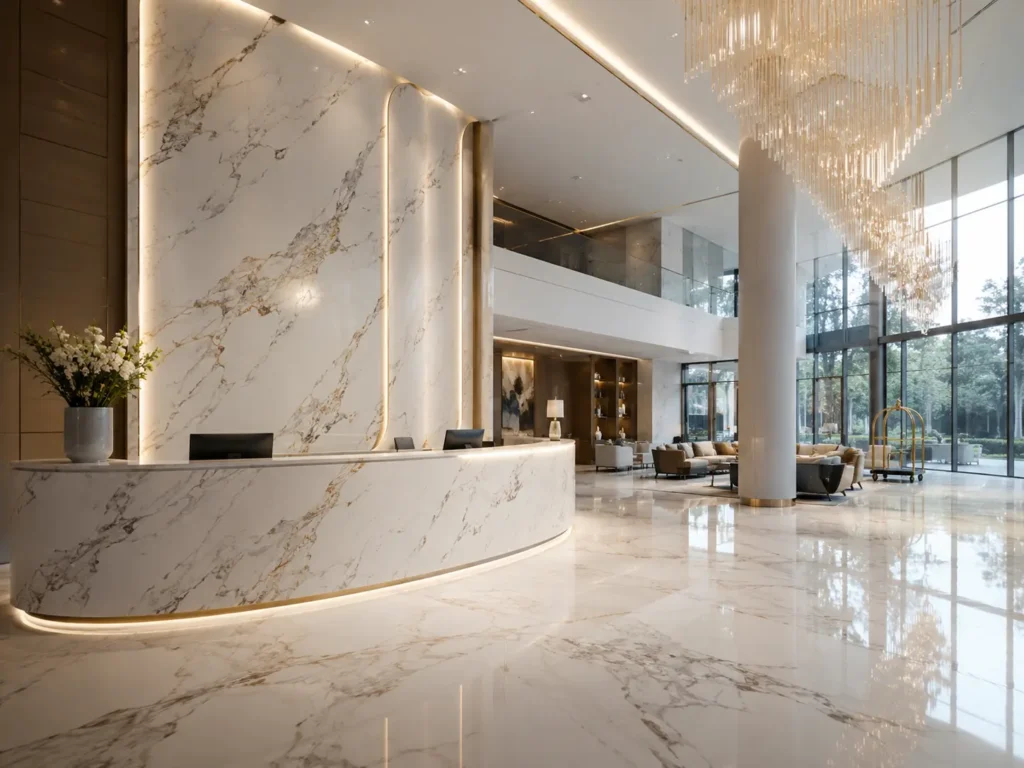
Reception counters need visual impact and daily durability. A hotel lobby is photographed, reviewed, touched, cleaned, and used constantly. 3D Print Quartz can provide the dramatic stone look that guests associate with luxury while offering practical durability for staff and operations.
Café Counters, Bar Tops, and Breakfast Areas
Food and beverage areas face coffee, wine, oil, citrus, sauces, sanitizers, and frequent cleaning. Quartz is often preferred because of its low absorption and easier maintenance. NSF certification may matter depending on the project scope and surface use. Buyers should verify the actual certificate instead of accepting vague “food grade” claims. Logos are cute; valid documents are better.
Bathroom Wall Panels and Shower Surrounds
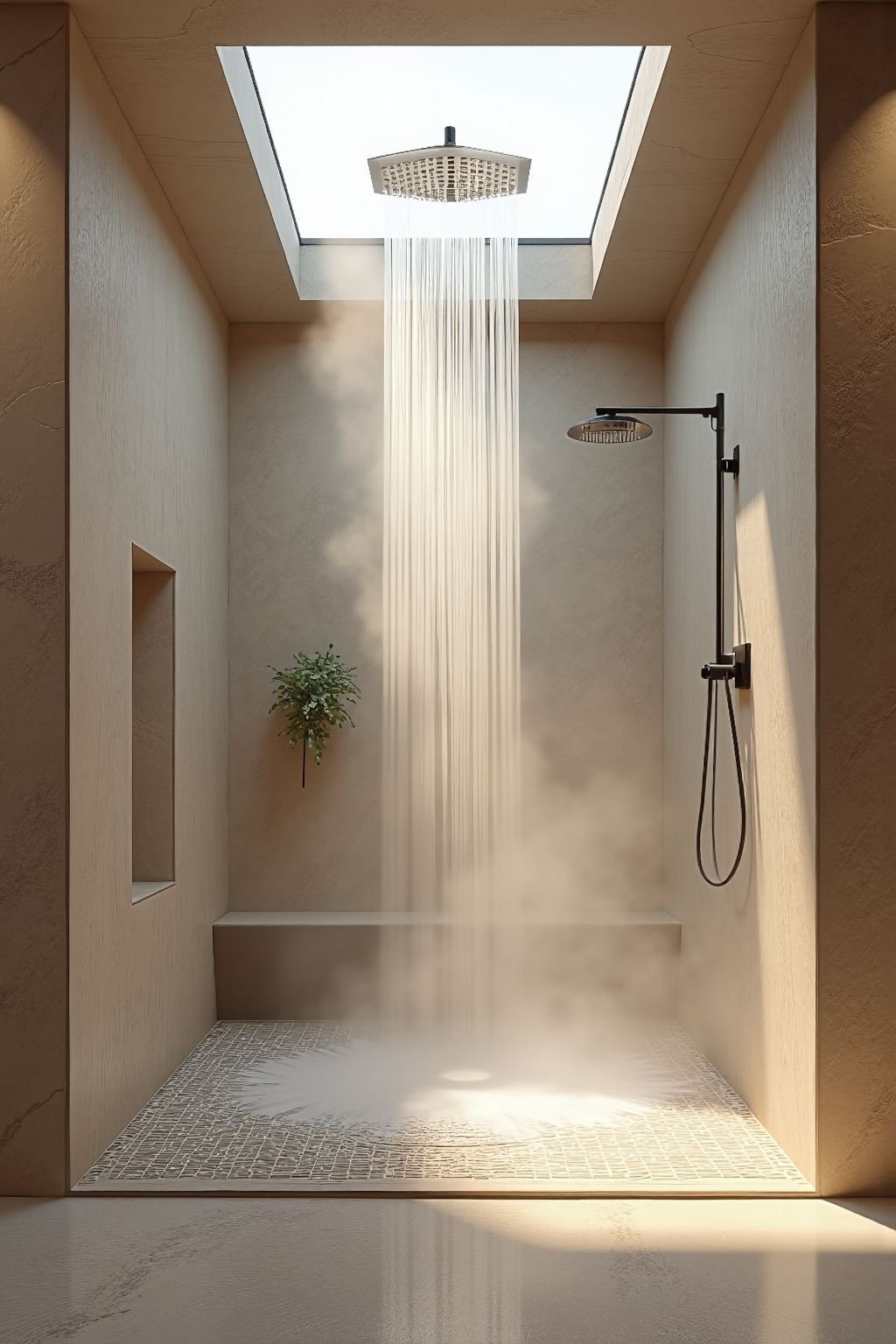
Large quartz slabs can reduce grout lines in hotel bathrooms and shower areas, making surfaces easier to clean. 3D Print Quartz can create the look of marble shower walls without requiring the same maintenance expectations as Natural Marble. Correct installation, waterproofing, backing support, and slab handling remain essential.
Guestroom Furniture and Decorative Surfaces
Quartz may also be used for desks, tabletops, mini-bar surfaces, and decorative panels. For hotel groups, consistency across rooms supports brand standards. When every guestroom must look coordinated, quartz makes procurement and replacement more predictable than highly variable natural stone.
The Real Cost Difference Is Not Just Material Price
Initial Cost vs Lifecycle Cost
Hotel buyers often compare material price first, but that is only part of the cost. The more important calculation is lifecycle cost. Natural Marble may require sealing, careful cleaner selection, periodic maintenance, stain repair, etch repair, replacement planning, and more staff training. Quartz may have a predictable upfront cost and lower maintenance burden.
For commercial hospitality projects, the cost of downtime can be more painful than the material itself. A damaged vanity is not just a stone issue. It can take a room out of service, trigger guest complaints, complicate replacement, and create schedule disruption.
Maintenance Labour and Housekeeping Reality
US hotels operate in a labour-sensitive environment. Housekeeping teams need simple, repeatable cleaning routines. Materials that require special caution create operational friction. Natural Marble can work, but it needs the right cleaners and expectations. Quartz is usually more forgiving for daily cleaning, which makes it easier for standard hotel operations.
Replacement and Renovation Risk
If marble stains or etches across many rooms, replacement can be costly and difficult to match. Natural Marble batches change. Vein patterns change. Colour tone changes. Quartz has stronger repeatability, making future replacement easier if the product line remains available.
| Cost Factor | Quartz | Natural Marble | Hotel Impact |
|---|---|---|---|
| Initial Material Cost | Medium to high | Wide range | Depends on grade and design |
| Sealing Requirement | Usually lower | Higher | Marble needs more care |
| Cleaning Complexity | Lower | Higher | Quartz is easier for staff |
| Stain / Etch Risk | Lower | Higher | Marble may increase complaints |
| Batch Matching | Easier | Harder | Quartz helps multi-room projects |
Design Trends Driving 3D Print Quartz in 2026 US Hotels
Marble-Look Luxury Without Marble Maintenance
Hotel guests often associate marble-look surfaces with cleanliness, luxury, and premium design. Operators, however, want fewer maintenance issues. 3D Print Quartz bridges the gap by delivering marble-like visuals with the operational advantages of quartz.
Black-and-White High Contrast Surfaces
Panda-style and Calacatta-style designs are popular in boutique hotels, modern lobbies, luxury bathrooms, and high-impact reception zones. Strong veining creates better visual identity in photography and online listings. That matters because hotel design now lives on booking platforms, Instagram, Google reviews, and guest photos.
Warm Neutral Quartz for Soft Luxury
Not every hotel needs dramatic black veining. Beige, cream, champagne, and soft grey quartz designs fit relaxed hospitality interiors. For projects seeking a more expressive and fashion-forward look, Calacatta Viola Quartz Stone can support boutique spaces, statement vanities, and interiors where the design needs more personality than a standard white surface.
Large-Format Slabs and Fewer Joints
Large-format slabs help reduce seams and grout lines in bathrooms, shower walls, counters, and wall panels. Fewer joints can improve both design quality and cleaning efficiency. For MIYASTONE quartz slab projects, commonly specified slab sizes include 3200mm × 1600mm and 3500mm × 2000mm, with thickness options focused on 2cm and 3cm for countertop and project applications.
Brand Consistency Across Properties
Hotel groups need repeatable material standards. A chain hotel or multi-property brand may want the same vanity surface across multiple locations. Quartz supports more predictable colour, pattern, and reordering than Natural Marble. This makes it valuable for brand standards, renovation phases, and future replacement planning.
Compliance and Certification Buyers Should Verify
NSF Certification for Food and Hospitality Surfaces
NSF certification may matter for food preparation zones, café counters, breakfast areas, and certain hospitality surfaces. Buyers should verify the certificate scope carefully. It should match the product category, company name, material, model or series, and current validity. Not every quartz product is automatically NSF certified.
Low-VOC and Indoor Air Quality Requirements
Because quartz contains resin binder, low-VOC documentation may be important for hotels, apartments, schools, healthcare interiors, and green building projects. Buyers may request GREENGUARD-style certifications, VOC emission reports, or equivalent indoor air quality documentation depending on project requirements.
Other Documents to Request
Hotel buyers should request technical data sheets, SDS documents, water absorption reports, stain resistance tests, flexural strength reports, NSF certificates if required, low-VOC documentation, fire performance documents if required, batch inspection reports, warranty documents, packing photos, and project inspection records.
Compliance Red Flags
Red flags include expired certificates, certificate names that do not match the supplier, documents covering another product line, vague “food grade” claims, logos without reports, no test standard listed, and no batch inspection record. Compliance is like plumbing: boring when correct, disastrous when ignored.
| Document | Why It Matters | Hotel Risk If Missing |
|---|---|---|
| NSF Certificate | Supports food-contact suitability where required | Project rejection or approval delay |
| Low-VOC Report | Supports indoor air quality | Green building compliance issue |
| SDS | Safety and handling documentation | Import or installation documentation gap |
| TDS | Technical performance data | Weak specification control |
| Batch Inspection | Confirms consistency | Room-to-room mismatch |
Common Buyer Mistakes When Replacing Marble with Quartz
Assuming All Quartz Looks Premium
Cheap quartz may look flat, repetitive, or artificial. Buyers should inspect full slab photos, videos, cut-edge samples, and installed references before approval.
Not Checking Edge Realism
Vanity edges, waterfall panels, and mitred corners can expose surface-only patterns. If the edge looks fake, the whole installation loses value.
Ignoring Certification Scope
NSF or low-VOC documents must apply to the actual ordered product, not another slab line or another factory. Certificate mismatch is a common procurement trap.
Choosing Only by Sample Size
Small samples cannot show full slab movement, pattern repetition, vein scale, or batch consistency. Hotel buyers should review full slabs and mock-ups before final approval.
Overusing Bold Patterns in Small Rooms
Bold 3D Print Quartz can look beautiful, but too much dramatic veining in small bathrooms may feel crowded. Designers should balance strong surfaces with calm cabinetry, simple lighting, and neutral floors.
Not Planning Replacement Availability
Hotels need future replacement planning. If a product line is discontinued, matching replacement slabs can become difficult. Buyers should discuss reorder support before bulk procurement.
Treating Quartz as Completely Indestructible
Quartz is durable, but not indestructible. Heat damage, chemical damage, edge chipping, and improper installation can still happen. Good specifications include care instructions, cleaning guidance, and fabrication standards.
How to Choose a 3D Print Quartz Supplier for US Hotel Projects
What a Reliable Supplier Should Provide
A reliable supplier should provide full slab photos, slab videos, cut-edge photos, 3D print or surface print explanation, slab size and thickness options, tolerance data, batch matching support, technical data sheets, NSF certificates where applicable, low-VOC reports, SDS, stain resistance tests, water absorption data, sample support, mock-up support, CAD layout support, packing photos, project inspection reports, export experience, replacement planning, and custom production support.
For buyers who need a deeper technical understanding of the material itself, this article on 3D Print Full Body Quartz explains how advanced quartz surfaces support modern countertops, vanities, wall panels, and interior applications.
Hotel projects should also evaluate real product benefits beyond showroom appearance. This article on the benefits of Full Body 3D Printed Quartz is useful for understanding how deeper patterning, surface realism, and easier maintenance can support both residential and hospitality design decisions.
Supplier Evaluation Scorecard
| Evaluation Factor | Weight | What to Check |
|---|---|---|
| Visual Realism | 20% | Marble-like depth and natural veins |
| Technical Data | 15% | Absorption, hardness, strength |
| Certification | 15% | NSF, low-VOC, SDS, TDS |
| Edge Performance | 15% | Cut-edge and mitred samples |
| Batch Consistency | 10% | Room-to-room matching |
| Hotel Project Support | 10% | Mock-ups, CAD, schedule |
| Packing & Inspection | 10% | Crates, photos, reports |
Practical Recommendation: Should US Hotels Choose Quartz or Natural Marble?
Choose 3D Print Quartz If
Choose 3D Print Quartz if the project includes many guest bathrooms, maintenance cost matters, stain resistance matters, room-to-room consistency is important, NSF or low-VOC documents are required, hotel operations need easier cleaning, and marble look is desired without the marble care burden.
For hotel designers who want the luxury of rare marble without the same sourcing and maintenance limitations, this article on 3D Printed Quartz alternative to rare Calacatta Marble is highly relevant to luxury hotel bathroom, vanity, and reception counter planning.
Choose Natural Marble If
Choose Natural Marble if the project needs authentic one-of-a-kind luxury, the surface is mostly decorative, the area has controlled use, the designer wants unique geological movement, and maintenance expectations are accepted. Natural Marble is still powerful when used with discipline.
Use Both If
Use Quartz for high-use guest surfaces and Natural Marble for premium focal areas. This strategy allows hotels to combine operational practicality with natural luxury. For example, 3D Print Quartz can be used for guest vanities and café counters, while selected Natural Marble can be used for a lobby feature wall or spa statement panel.
Final Recommendation: The Smart Hotel Strategy Is Not Replacement, It Is Placement
Modern US hotels are not swapping Natural Marble for Quartz because marble suddenly became unattractive. They are doing it because hotel surfaces must serve design, operations, maintenance, guest experience, and procurement at the same time. Quartz, especially 3D Print Quartz, gives hotels a practical way to achieve marble-like luxury in high-use areas without accepting the same level of etching, staining, batch variation, and maintenance pressure.
If the project involves hundreds of bathrooms, choose Quartz. If the surface needs low absorption, easier cleaning, and consistent replacement, choose 3D Print Quartz. If the hotel wants an unforgettable natural stone focal point, use Natural Marble selectively. If the procurement team needs documents, samples, slab photos, and project support, contact a Quartz supplier with your slab size, thickness, finish, certification, and application requirements.
FAQ About Quartz, Natural Marble, and 3D Print Quartz for Hotels
1. Why do hotels use Quartz instead of Natural Marble?
Hotels use Quartz instead of Natural Marble in many high-use areas because Quartz usually offers lower water absorption, better stain resistance, easier cleaning, stronger batch consistency, and lower maintenance pressure. Natural Marble is beautiful and authentic, but it can etch, stain, and vary significantly from slab to slab. For guest bathrooms, vanity tops, café counters, and reception desks, Quartz often provides a more practical balance between luxury appearance and hotel operations.
2. Is 3D Print Quartz durable for hotel bathrooms?
Yes, quality 3D Print Quartz can be durable for hotel bathrooms when the right slab is selected and properly fabricated. It offers the marble-like look many designers want while providing the low absorption and easier cleaning benefits of engineered quartz. Buyers should still verify water absorption data, stain resistance, slab thickness, edge performance, low-VOC documentation, and supplier quality control before using it in large hospitality projects.
3. Is Natural Marble still suitable for hotels?
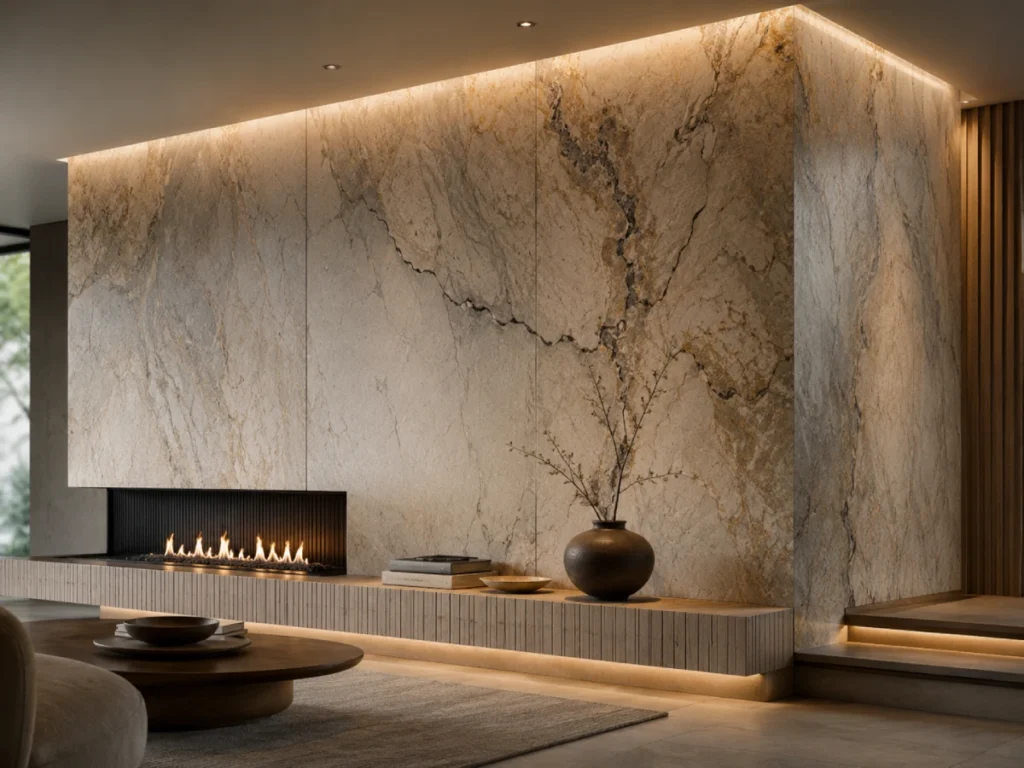
Yes, Natural Marble is still suitable for hotels when used in the right locations. It is excellent for luxury lobby feature walls, spa walls, fireplace surrounds, elevator surrounds, boutique reception backdrops, and other controlled decorative areas. However, for high-use guest bathrooms, vanity tops, and food-service counters, hotels should consider the higher maintenance requirements, acid sensitivity, stain risk, and batch variation of marble before specifying it.
4. What is the difference between Quartz and Natural Marble?
Quartz is an engineered surface made from quartz minerals, resin binders, pigments, and additives, while Natural Marble is a geological stone formed through metamorphism. Quartz usually offers lower water absorption, stronger stain resistance, and better consistency, making it practical for hotel bathrooms and commercial counters. Natural Marble offers unique geological beauty, depth, and authenticity, but it is more sensitive to acids, stains, and maintenance conditions.
5. How do hotels choose the best countertop material?
Hotels should choose countertop materials by evaluating use environment, maintenance requirements, stain resistance, water absorption, cleaning chemicals, design style, certification needs, budget, replacement planning, and batch consistency. If the surface is used daily by guests or staff, Quartz or 3D Print Quartz is often the safer operational choice. If the surface is mainly decorative and controlled, Natural Marble may provide stronger luxury identity.
References
1. Engineered Stone Countertops: Material Properties and Fabrication Guidance, Natural Stone Institute, Technical Resource.
2. Dimension Stone Design Manual, Natural Stone Institute, Technical Design Resource.
3. NSF/ANSI 51 Food Equipment Materials, NSF International, Product Certification Standard.
4. GREENGUARD Certification Criteria for Low Chemical Emissions, UL Solutions, Indoor Air Quality Resource.
5. Hotel Design, Planning, and Development, Richard H. Penner, Lawrence Adams, and Walter Rutes, Routledge.
6. Countertop Materials Performance and Maintenance Guide, National Kitchen & Bath Association, Design Resource.
7. Indoor Air Quality and Volatile Organic Compounds in Building Materials, U.S. Environmental Protection Agency, IAQ Resource.
8. Quartz Surfaces: Composition, Durability, and Hospitality Applications, Architectural Surfaces Industry Review.
Strategic Insight: How US Hotels Should Choose Between Quartz and Natural Marble
What is driving the shift? US hotels are choosing Quartz and 3D Print Quartz for high-use surfaces because these materials offer marble-like aesthetics, low water absorption, easier cleaning, better stain resistance, stronger batch consistency, and lower maintenance pressure than Natural Marble in guest-facing environments.
Why does 3D Print Quartz matter? 3D Print Quartz improves the visual realism of engineered quartz by creating deeper marble-like veining, more natural movement, and better design depth than older flat quartz patterns. This makes it useful for vanities, reception counters, wall panels, and luxury hotel interiors.
How should hotels decide? If the surface is high-use, guest-facing, and repeated across many rooms, choose Quartz. If the surface is decorative, controlled, and intended as a one-of-a-kind focal point, Natural Marble can still be the better choice. For balanced hotel design, use Quartz for operations-heavy areas and Natural Marble for selected luxury features.
What should buyers verify? Buyers should check full slab photos, cut-edge samples, slab size, thickness, batch consistency, water absorption, stain resistance, NSF scope where applicable, low-VOC documentation, SDS, TDS, packing photos, inspection reports, and replacement planning before placing hotel project orders.
What mistakes should hotels avoid? Avoid assuming all quartz looks premium, ignoring edge realism, accepting vague certification claims, choosing only from small samples, overusing bold patterns in small bathrooms, failing to plan replacement availability, and treating quartz as completely indestructible.


