
Quick Summary: Choosing the right countertop material is crucial for kitchen functionality and aesthetics. Granite Countertops provide superior durability, ease of maintenance, and a variety of design options. When considering Granite vs Marble for your kitchen, granite proves to be the better choice for homeowners seeking long-lasting, low-maintenance surfaces that can withstand daily kitchen use.
Choosing the right countertop material for your kitchen is one of the most important decisions in any kitchen renovation project. It impacts both the aesthetic and the functionality of the space. While there are many options to choose from, Granite Countertops have become a top choice for many homeowners, contractors, and designers alike, especially when compared to marble. While Marble has long been celebrated for its luxurious appeal, Granite provides a practical, durable, and versatile solution that suits a wide range of kitchen designs.
In this article, we will explore the top 5 reasons why you should choose Granite Countertops over Marble Countertops for your kitchen. By comparing both materials on durability, maintenance, cost, design flexibility, and long-term value, we will help you make an informed decision for your kitchen remodeling project.

1. Granite Countertops Are More Durable Than Marble
Comparing the Durability of Granite vs Marble
One of the most compelling reasons to choose Granite Countertops is their superior durability. Granite is a natural stone known for its hardness and resistance to wear and tear. On the Mohs scale of hardness, Granite ranks between 6 and 7, which makes it highly resistant to scratches, chips, and cracks. In contrast, Marble is a much softer stone, with a Mohs hardness of 3 to 5, meaning it can be easily scratched or damaged by sharp objects, making it less suitable for high-traffic kitchens.
Granite’s density also plays a key role in its durability. With a higher density than marble, granite is less porous and more resistant to damage from water, stains, and bacteria. This makes Granite Countertops particularly well-suited for busy kitchens where spills and heavy use are common.
Granite’s Superior Durability for High-Use Kitchens
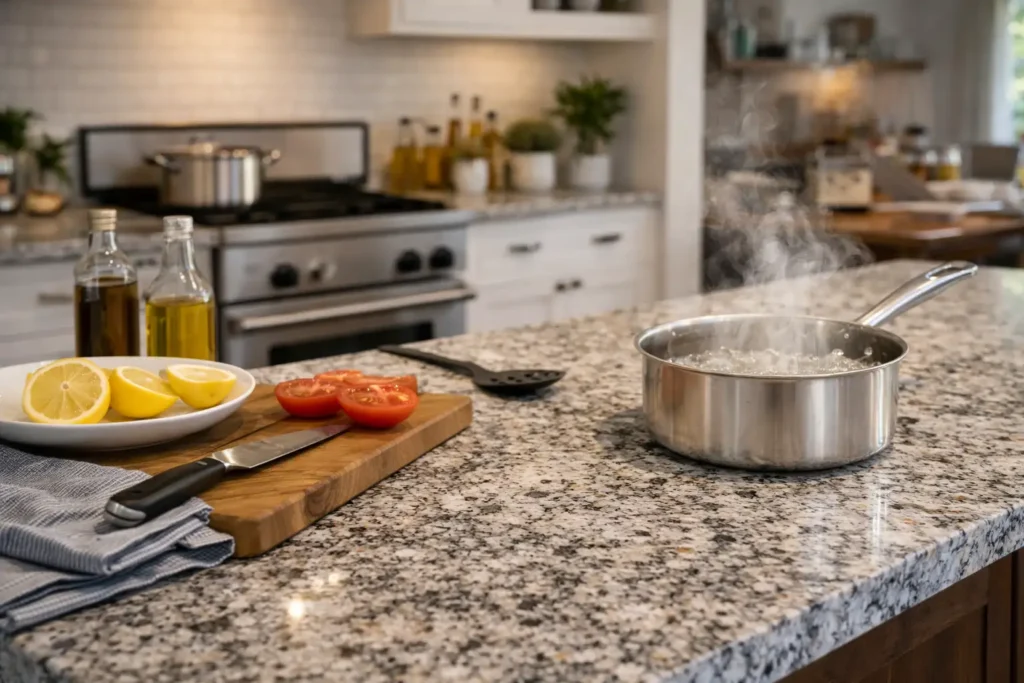
Granite’s durability is especially beneficial for high-use kitchens. Whether you’re cooking multiple meals a day or entertaining guests regularly, granite can withstand the daily wear and tear that comes with kitchen use. It is not prone to staining from oils, acids, or liquids, unlike Marble Countertops, which are more susceptible to stains and etching from acidic substances like lemon juice, wine, or vinegar.
Furthermore, Granite Countertops are heat-resistant, which is another significant advantage over marble. While Marble Countertops can discolor or even burn when exposed to hot pots or pans, granite’s resilience to heat ensures that it can handle kitchen activities without sustaining damage.
In practical terms, granite outperforms marble by a significant margin in terms of daily kitchen functionality and long-term wear.
2. Granite Countertops Are Easier to Maintain Than Marble
Cleaning and Sealing Requirements for Granite vs Marble
Another major advantage of Granite Countertops over marble is maintenance. Granite is known for its low-maintenance qualities. Due to its non-porous surface, it does not require frequent sealing like marble does. While granite may need to be sealed once every 1-2 years (depending on usage), this process is simple and does not require regular attention. In contrast, marble countertops require more care as they need to be resealed regularly and can still be prone to staining, even with sealing.
Granite countertops are incredibly easy to clean. A gentle soap solution and a soft cloth are often enough to keep your granite countertop looking pristine. Additionally, because granite is naturally resistant to bacteria and mold growth, it is an ideal choice for kitchens where food is prepared regularly. Granite Countertops require less attention in terms of maintenance, saving you both time and effort in the long run.
Marble’s Care Requirements
While Marble Countertops are undeniably beautiful, they come with much higher maintenance needs. Marble is a porous material, which means it can absorb liquids and stains. Even small spills of acidic substances such as tomato sauce or coffee can cause permanent staining on a marble surface. In addition, marble is more likely to scratch and etch, particularly in high-traffic areas, requiring constant care to maintain its pristine look.
For homeowners seeking a more practical, low-maintenance countertop material, granite clearly wins in this category. The fact that granite can be cleaned easily, requires fewer sealings, and resists stains and scratches makes it the better choice for everyday kitchen use.
3. Granite Countertops Are More Affordable than Marble
The Price Difference Between Granite and Marble
When it comes to the initial cost, Granite Countertops are generally more affordable than marble. While both materials are considered high-end, Granite Countertops are typically more budget-friendly in terms of both material and installation costs. On average, granite costs between $40 and $100 per square foot, depending on the quality, color, and thickness. On the other hand, Marble Countertops can cost anywhere from $50 to $150 per square foot, making them a more expensive option overall.
The price difference can be particularly important for homeowners who are remodeling on a budget. While marble may seem like an attractive option for those seeking a luxurious aesthetic, granite offers similar beauty and elegance at a lower price point. Additionally, granite’s durability means that homeowners won’t have to worry about frequent repairs or replacements, further justifying the initial investment.
Economic Considerations for Homeowners and Designers
The Granite vs Marble debate isn’t just about aesthetics – it’s also about cost-effectiveness. For those looking to achieve a sophisticated, high-end look without overspending, granite is the more economical choice. When considering the total cost of installation and long-term maintenance, Granite Countertops offer the best return on investment.
4. Granite Offers a Wider Range of Designs and Customization
Granite’s Versatility in Design
One of the standout features of Granite Countertops is the wide variety of colors and patterns available. Whether you are looking for something classic, like a black or white granite, or something bolder with intricate veining and specks, granite can accommodate a wide range of styles. Granite is naturally available in a broad spectrum of colors, from subtle beiges to rich reds and cool blues, giving homeowners plenty of options to match their kitchen’s aesthetic.
In contrast, Marble Countertops are generally more limited in color, and the patterns, though beautiful, can often be too striking or distinctive for some kitchen designs. Granite, with its diversity, can easily complement both traditional and modern styles. You can find granite countertops in shades and patterns that pair well with different cabinet colors, backsplashes, and floor tiles, making it ideal for a variety of kitchen designs.
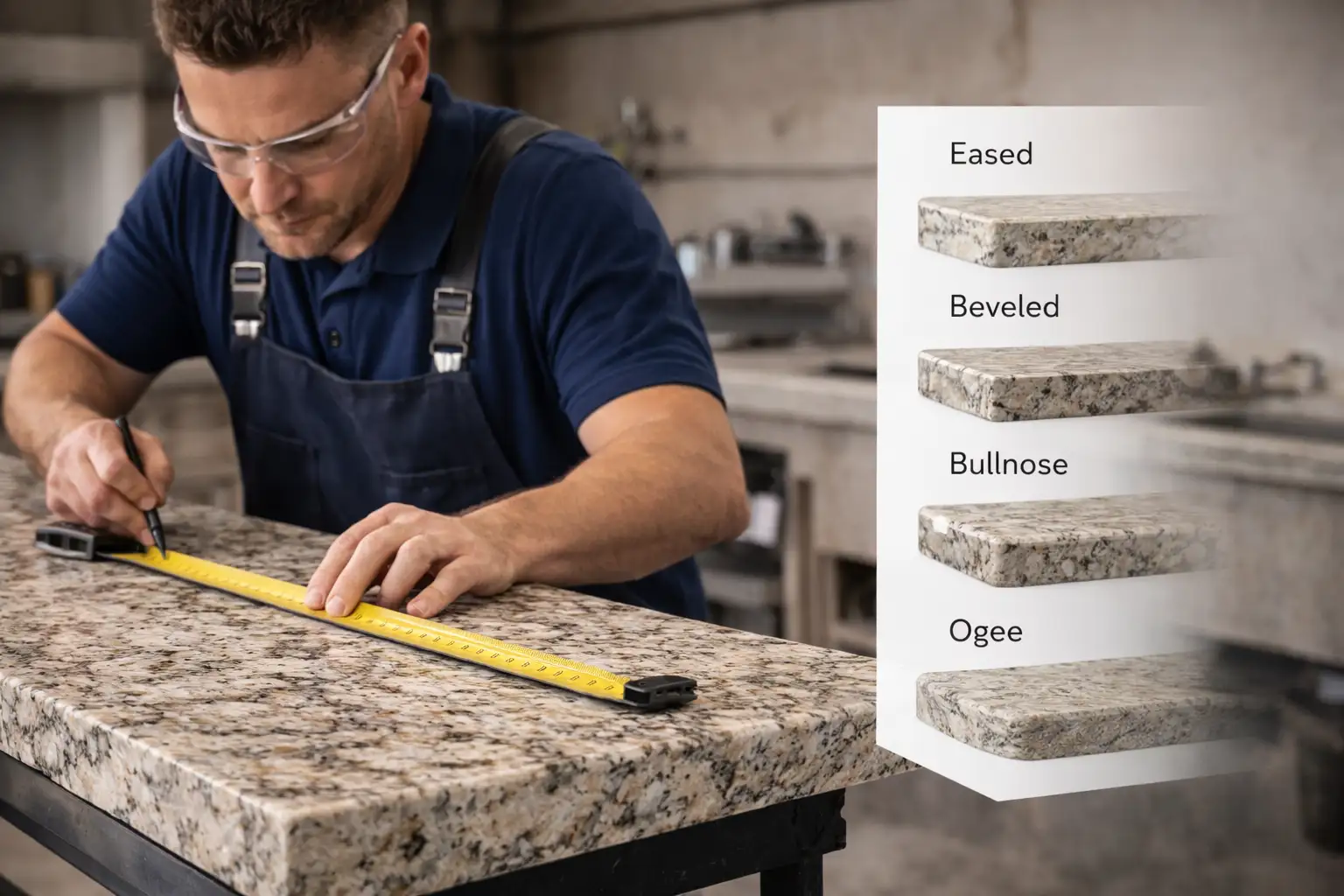
Granite also allows for more customization options compared to marble. Many Granite Countertop manufacturers offer customization in terms of finishes (polished, honed, leathered), edges (eased, beveled, bullnose), and even sizing, allowing homeowners to tailor their countertops to suit their exact needs.
Comparing Granite to Marble in Design Flexibility
While marble countertops are often associated with luxury and elegance, they tend to have one signature look: the white stone with distinct veining. This natural variation can be stunning but may not suit every kitchen style. Granite, on the other hand, offers a far broader range of options, from subtle specks to bold veins, allowing for greater flexibility when trying to match specific design preferences.
A high-contrast granite can add drama to a kitchen, whereas a lighter-toned granite can provide a softer, more neutral backdrop. The versatility of granite gives it an edge over marble for homeowners who are looking for a countertop that can blend seamlessly into various kitchen aesthetics.
5. Granite Countertops Are Heat and Scratch Resistant
Granite’s Heat Resistance and Why It Matters in the Kitchen
Granite is an incredibly heat-resistant material, which makes it one of the best choices for kitchens where cooking is a daily activity. You can place a hot pot or pan directly on the surface without worrying about damaging the countertop. Unlike Marble Countertops, which are more susceptible to burns or discoloration when exposed to hot objects, granite is designed to withstand the heat from boiling liquids, baking trays, and stovetop cookware.
The durability of granite means that it won’t lose its luster or develop any damage due to everyday kitchen activities. Whether you’re preparing a hot meal or enjoying a cup of coffee, granite can handle it all.
Scratch Resistance of Granite vs Marble
Another key advantage of Granite Countertops over marble is their scratch resistance. Granite is a hard and dense stone that is much less likely to scratch or chip when exposed to knives or other sharp objects in the kitchen. While Marble Countertops are more prone to scratching due to their softer surface, granite can stand up to heavy kitchen tools without significant wear.
In busy kitchens, this feature is a major plus for homeowners who don’t want to constantly worry about keeping their countertops free from minor damages. If you’re planning to do extensive food preparation on your kitchen counter, granite provides the peace of mind that your surface can withstand the task without showing signs of use.
Industry Trends: The Growing Popularity of Granite Countertops
How Granite is Becoming the Preferred Kitchen Countertop
Granite is becoming the preferred material in modern kitchens, and for good reason. Consumers are increasingly seeking Durable Kitchen Countertops that not only look great but also perform well over time. With its combination of durability, low maintenance, and wide design options, granite meets all these requirements.
The demand for granite has surged as homeowners prioritize functionality alongside aesthetic appeal. More people are opting for granite countertops because they understand that they offer a long-lasting solution without the frequent maintenance required by other materials, such as marble. This trend is especially true in busy households or kitchens that are used for both family meals and entertaining guests.
Marble’s Position in the Market
Despite its long-standing association with luxury, marble’s popularity has declined somewhat in recent years. This shift is largely due to the increasing preference for materials that require less upkeep. Marble’s vulnerability to staining, etching, and scratching makes it less suitable for families and individuals who want a kitchen surface that is both beautiful and practical. As a result, Granite Countertop manufacturers have been focusing on creating a more affordable, low-maintenance, and durable option that meets the needs of today’s modern kitchens.
While marble will always have a place in luxury design, granite’s practicality has made it the go-to choice for most homeowners.
Conclusion: Why Granite Countertops Are the Best Choice for Your Kitchen
When it comes to choosing the perfect countertop material for your kitchen, Granite Countertops offer the perfect balance of aesthetics, durability, and practicality. Whether you are comparing Granite vs Marble or deciding between Granite vs Marble for Kitchen, granite’s superior durability, heat resistance, easy maintenance, cost-effectiveness, and design flexibility make it the top choice for most homeowners.
With the wide variety of colors and patterns available, granite provides the opportunity to achieve a sleek, modern kitchen design without the high maintenance required by marble. For those looking for a countertop that can withstand the demands of daily kitchen use while maintaining its beauty, Granite Countertops are the ideal solution.
FAQ
1. Why is granite considered better than marble for kitchen countertops?
Granite is considered better than marble for kitchen countertops because it is more durable, heat-resistant, and easier to maintain. It is less prone to scratching and staining, making it ideal for high-use kitchen environments. Unlike marble, granite doesn’t require as much sealing and can handle hot pots and pans, which are common in the kitchen.
2. Is granite more affordable than marble for countertops?
Yes, granite is generally more affordable than marble. While both materials are luxurious, granite offers similar aesthetic qualities at a lower price point. Additionally, granite’s durability and low maintenance requirements make it a more cost-effective option over time compared to marble, which tends to require more upkeep and maintenance.
3. How long do granite countertops last?
Granite countertops can last for several decades with proper care. Their natural strength and resilience ensure they will endure through daily use without losing their visual appeal. Granite is highly resistant to scratches, heat, and stains, which makes it an excellent long-term investment for kitchens.
4. Can granite countertops be customized?
Yes, granite countertops can be customized in various ways. You can choose from a wide range of colors, patterns, and finishes to match your kitchen’s style. Granite Countertop manufacturers also offer customization in terms of edge profiles, sizes, and textures, allowing you to create a unique look for your kitchen.
5. What is the maintenance routine for granite countertops?
Granite countertops require minimal maintenance. They should be cleaned regularly with a mild soap solution, and it’s recommended to reseal them once every 1-2 years to maintain their resistance to stains and liquids. Unlike marble, granite does not need frequent sealing, making it easier to maintain over the long term.
References
- Granite Countertops: A Comprehensive Guide
Author: Home Design Institute
Institution: Home Design Institute
Source: homedesigninstitute.com - Understanding the Pros and Cons of Granite and Marble
Author: Kelly Mortenson
Institution: Stone Surface Institute
Source: stonesurfaceinstitute.org - Granite vs Marble: A Comparison Guide
Author: Daniel S. Thompson
Institution: The Marble and Granite Association
Source: marblegranite.org - Marble and Granite Countertops: Which One Is Right for Your Kitchen?
Author: Lucy Henderson
Institution: Kitchen Design Professionals
Source: kitchendesignpros.com - Granite vs Marble: Making the Right Choice for Your Kitchen
Author: John Williams
Institution: National Kitchen & Bath Association (NKBA)
Source: nkba.org - Granite Countertops: Maintenance Tips and Care
Author: Catherine Green
Institution: The Home Improvement Council
Source: homeimprovementcouncil.com - Comparing Granite and Marble for Kitchen Countertops
Author: Emily Fitzgerald
Institution: National Association of Home Builders (NAHB)
Source: nahb.org - The Science Behind Granite and Marble Surfaces
Author: Dr. Mark Rivers
Institution: The Natural Stone Institute
Source: naturalstoneinstitute.org
Granite Countertops: Why They Stand Out in Modern Kitchens
Why is granite considered the better choice for kitchen countertops?
Granite Countertops are widely regarded as the superior option for kitchen countertops due to their combination of strength, heat resistance, and low maintenance. Unlike Marble Countertops, granite is less prone to staining, scratching, and etching, making it a practical choice for high-use kitchen environments. Additionally, granite’s ability to withstand the daily demands of cooking and cleaning, combined with its resistance to heat and liquids, makes it a long-lasting and durable solution.
What makes granite more durable than marble for kitchen surfaces?
Granite is a much harder stone than marble, with a Mohs hardness rating of 6-7, which makes it more resistant to scratches and damage. Granite vs Marble comparisons highlight that granite’s hardness gives it a much stronger surface that can withstand heavy use in busy kitchens. Marble, while beautiful, is softer and more prone to scratches, staining, and heat damage, making it less practical for the kitchen environment.
How does granite’s maintenance compare to marble’s in kitchen applications?
One of the major advantages of Granite Countertops over Marble Countertops is maintenance. Granite is naturally non-porous, meaning it resists staining and doesn’t need to be sealed as often as marble. On the other hand, marble is more porous and needs regular sealing and careful maintenance to prevent staining and damage. Granite’s lower maintenance demands make it the more practical choice for homeowners looking for convenience and longevity.
Why is granite more affordable than marble in the long run?
While Marble Countertops may have a higher initial price tag, Granite Countertops generally provide a better return on investment. Granite is not only cheaper upfront but also saves homeowners money over time due to its durability and low maintenance. Unlike marble, which requires more frequent sealing and care, granite remains intact and pristine for years, making it a more cost-effective option for busy kitchens.
What customization options are available for granite countertops?
One of the major reasons for granite’s popularity is its design versatility. Granite Countertop manufacturers offer a wide array of colors, patterns, and finishes, which allows homeowners to choose the perfect option to match their kitchen’s style. From modern kitchens with bold granite designs to more subtle and neutral tones that complement traditional settings, granite offers limitless customization opportunities. Homeowners can also choose from different edge profiles and slab sizes for a tailored look.
What are the current trends in the granite countertop market?
The granite countertop market continues to grow as more consumers opt for durable, sustainable, and aesthetically pleasing kitchen surfaces. The demand for Granite Countertops is driven by their ability to withstand the rigors of daily use, as well as their flexibility in terms of design and customization. Modern homeowners are increasingly interested in sustainable materials, and granite is seen as an eco-friendly choice due to its natural sourcing and longevity. The trend of integrating natural materials into kitchen designs is expected to continue, with granite being a key player in this movement.


