
Introduction
When remodeling your kitchen, one of the most significant decisions you’ll make is choosing the right countertop material. Granite Countertops and Quartz are two of the most popular choices for homeowners seeking both durability and style. But which one is the better option for your kitchen?
In this comprehensive guide, we’ll compare the benefits, drawbacks, and characteristics of Granite vs Quartz to help you make an informed decision. From aesthetic appeal to long-term durability and maintenance, this article will cover every angle of these countertop materials, allowing you to choose the one that best fits your needs.
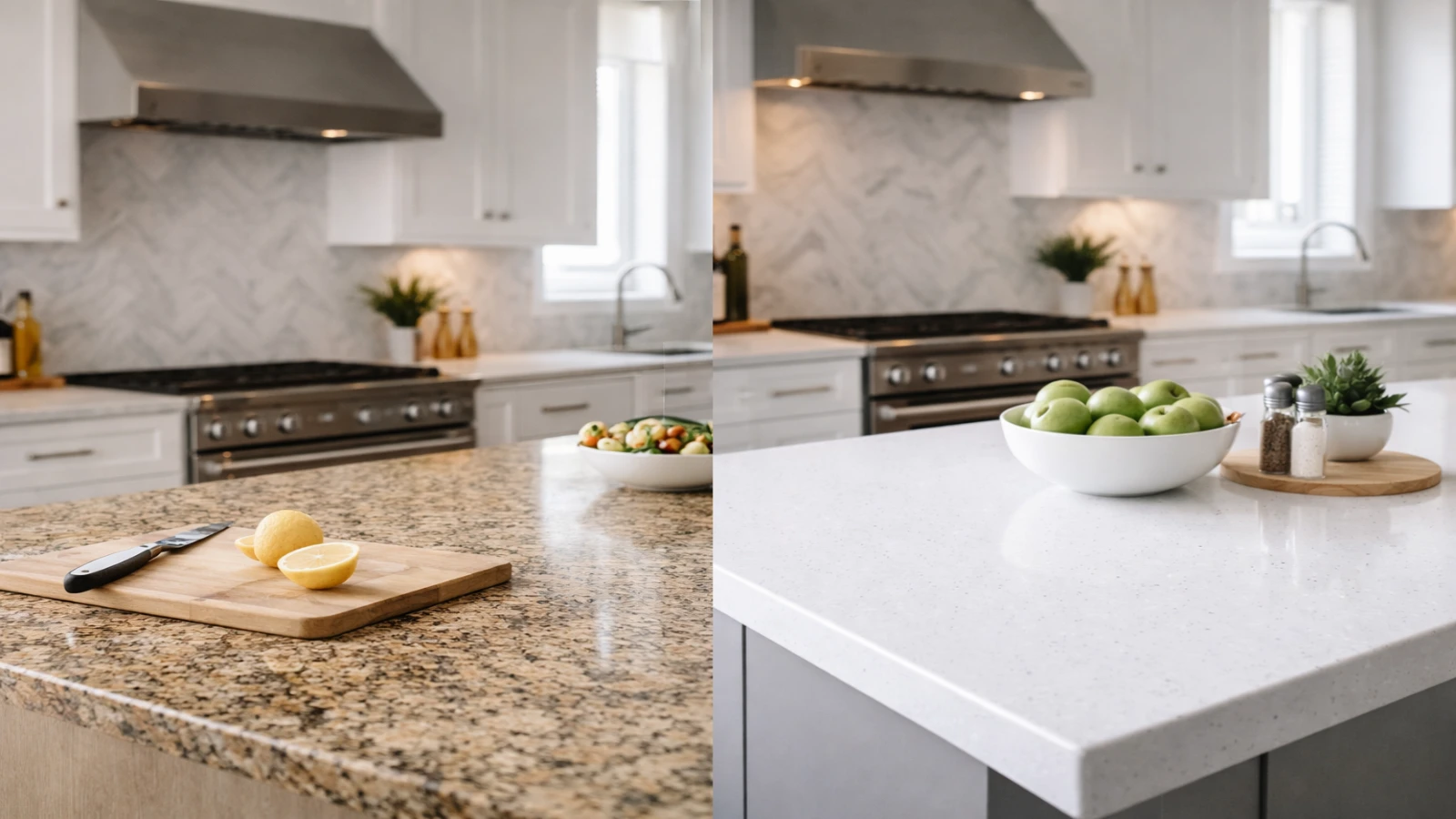
Granite vs Quartz: Key Differences in Composition
Granite Composition
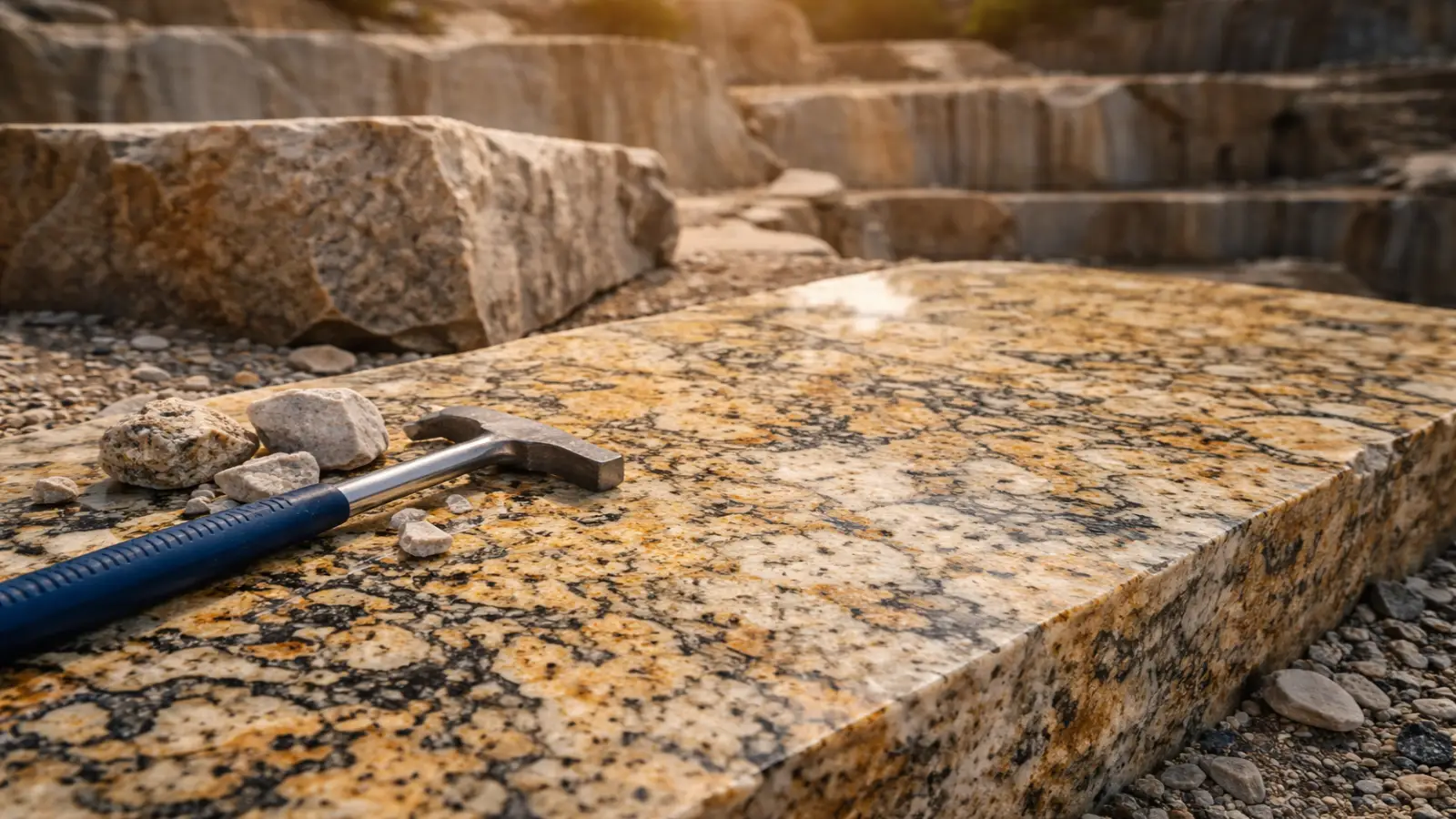
Granite is a natural stone that forms deep within the Earth over millions of years. It is primarily made up of quartz, feldspar, and mica, giving it its distinct appearance and durability. Each piece of granite is unique, with a wide range of colors and natural patterns such as specks, veins, and flecks.
Granite is quarried directly from the Earth, making it a highly sought-after material for homeowners who prefer natural aesthetics in their kitchen. The mineral composition and the cooling process in which granite is formed determine its hardness and strength.
- Hardness: Granite has a hardness rating of 6 to 7 on the Mohs scale of hardness, making it one of the toughest materials for kitchen countertops. Its resistance to scratches and chips makes it an excellent option for high-traffic areas like the kitchen.
- Appearance: Granite countertops often feature one-of-a-kind patterns and colors due to the natural variation in the stone. These include shades of white, beige, black, green, and even deep red.
Quartz Composition
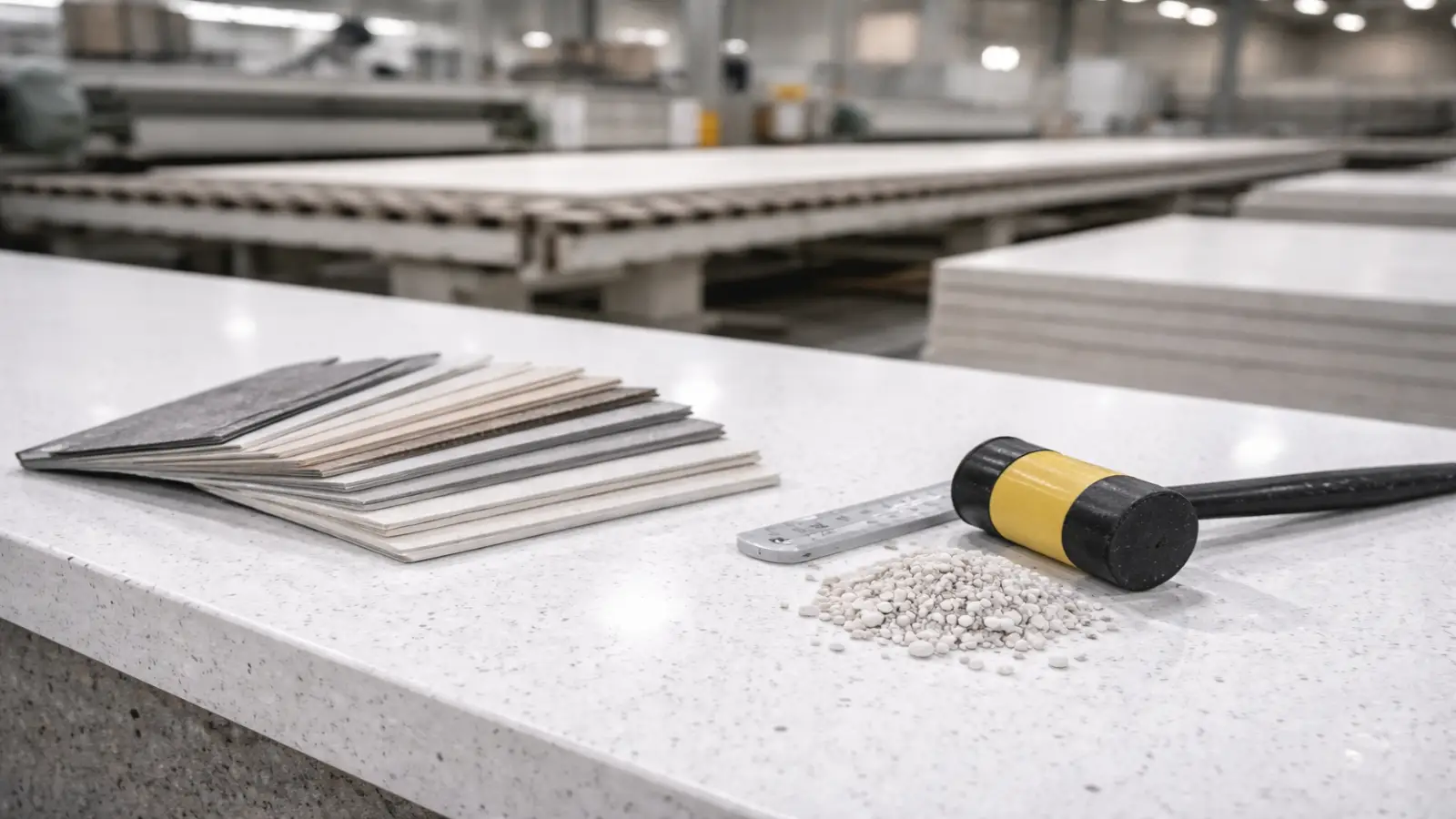
Quartz countertops are engineered stone products made from 90% to 95% natural quartz crystals, combined with resins, polymers, and pigments. Unlike granite, which is a natural stone, quartz is manufactured in a factory setting. This process allows for a more consistent appearance in color and pattern, making it a preferred choice for those who want a uniform look in their kitchen.
- Hardness: Quartz has a similar hardness to granite, rated between 7 and 8 on the Mohs scale. While it’s resistant to scratches and chips, it’s generally softer than granite and may suffer minor damage from sharp objects or heavy impacts.
- Appearance: Unlike granite, quartz countertops offer a more uniform color, though it still comes in a wide range of hues, including whites, grays, blacks, and even bolder colors like red, blue, and green.
Durability Comparison: Granite vs Quartz
When choosing a kitchen countertop, durability is one of the most critical factors. Kitchens are high-use areas, and your countertop must withstand daily activities like food preparation, cleaning, and occasional spills. Let’s examine the durability of both materials.
Granite Durability
Granite is known for its remarkable strength and resilience. Its natural composition makes it resistant to heat, scratches, and staining, though it does require some upkeep to maintain its pristine appearance.
- Heat Resistance: Granite can withstand high temperatures, making it a great choice for kitchens where hot pots and pans are frequently placed on the countertop. However, it is still recommended to use trivets or hot pads to protect the surface from extreme temperatures.
- Scratch and Chip Resistance: Granite is highly resistant to scratches and chips, making it perfect for a busy kitchen. Still, it’s essential to avoid cutting directly on the countertop as it may dull your knives and cause minor damage over time.
- Stain Resistance: While granite is naturally resistant to stains, it is still porous to some extent, which means it can absorb liquids like oils, wine, or coffee. To prevent this, granite countertops require periodic sealing to reduce the risk of staining.
Quartz Durability
Quartz countertops, being engineered stone, are incredibly durable and less prone to damage than granite in certain aspects.
- Heat Resistance: Although quartz can tolerate some heat, it’s not as heat-resistant as granite. High temperatures can cause the resin in the quartz to melt or discolor, so it’s best to avoid placing hot pans directly on the surface.
- Scratch and Chip Resistance: Quartz countertops are highly resistant to scratches and chips. However, while they are durable, they can be damaged by heavy impacts or sharp objects. Quartz is more prone to scratches than granite, so it’s advisable to use cutting boards for chopping.
- Stain Resistance: Quartz countertops are non-porous, meaning they do not require sealing and are more resistant to stains compared to granite. Liquids like wine, juice, or coffee will not penetrate the surface, making quartz a low-maintenance and highly functional choice.
Maintenance: How Much Effort Does Granite and Quartz Require?
When it comes to maintenance, Granite and Quartz both offer their own unique advantages and considerations.
Granite Maintenance
Granite countertops require some level of maintenance to ensure they continue to look their best.
- Sealing: Granite is porous, which means it can absorb liquids that may lead to staining. To maintain its stain resistance, granite countertops should be sealed once every 1 to 2 years, depending on usage.
- Cleaning: Granite is easy to clean with a mild detergent and warm water. Avoid using acidic cleaners or harsh chemicals, as they can damage the sealant or the surface over time.
Quartz Maintenance
Quartz is much easier to maintain than granite, thanks to its non-porous surface.
- No Sealing Required: One of the biggest advantages of quartz is that it doesn’t require sealing, making it a low-maintenance option for homeowners. Quartz countertops do not absorb liquids, so stains are less likely to occur.
- Cleaning: Quartz can be cleaned with mild soap and water. It is resistant to bacteria and mold, making it ideal for kitchen surfaces. Just like granite, it is recommended to avoid harsh cleaning chemicals, as they can damage the surface over time.
Aesthetic Appeal: Granite vs Quartz for Your Kitchen
Aesthetics play a significant role in deciding which material is better for your kitchen. Both Granite and Quartz offer exceptional beauty, but they provide different looks and styles.
Granite Aesthetics
The unique, natural patterns of Granite are one of the primary reasons why people choose it for their kitchen remodels.
- Natural Look: Granite’s natural beauty is highly valued by homeowners who want a stone that tells a story. Each granite slab has its own distinct pattern and color variation, ensuring that your countertop will be one-of-a-kind.
- Variety of Colors: Granite comes in a wide range of colors, from light shades like white, beige, and cream, to deeper tones of green, black, and even red. The natural veining and patterns found in granite can add a touch of luxury to any kitchen.
Quartz Aesthetics
While quartz is engineered and not natural like granite, it offers an entirely different aesthetic.
- Uniform Appearance: Quartz countertops provide a more consistent appearance than granite, making them ideal for homeowners who want a more uniform and sleek look in their kitchen.
- Customizable Colors and Patterns: Since quartz is engineered, it can be customized to fit almost any design. You can find quartz that mimics the look of marble, granite, or even concrete. This allows homeowners to achieve a specific design aesthetic with their countertops.
Cost Comparison: Granite vs Quartz for Kitchen Countertops
Cost is always a major consideration when choosing a countertop material. Both Granite and Quartz come at a premium price, but how do their costs compare?
Granite Cost
Granite is generally more affordable than quartz, though the price can vary depending on the quality and rarity of the stone. On average, granite countertops cost between $40 and $100 per square foot, including installation.
- Initial Investment: Granite tends to be less expensive than quartz in some markets, but the cost can increase depending on factors like rarity, design complexity, and installation fees.
Quartz Cost
Quartz countertops are typically more expensive than granite, ranging between $50 and $120 per square foot, including installation. The manufacturing process of quartz is more labor-intensive, which contributes to its higher price point.
- Long-Term Investment: Although quartz is more expensive upfront, its durability and low maintenance can make it more cost-effective over time. You won’t have to spend on sealing or extensive maintenance.
Sustainability: Which Is More Eco-Friendly – Granite or Quartz?
When it comes to sustainability, both Granite and Quartz have their advantages and considerations. As more homeowners seek eco-friendly materials, understanding the environmental impact of your countertop choice is increasingly important.
Granite Sustainability
Granite is a natural stone that is mined from the Earth, which means it requires extraction from quarries. While granite is durable and long-lasting, the environmental impact of its extraction can be significant. Quarrying granite involves heavy machinery, energy consumption, and transportation, which contribute to its carbon footprint. However, granite is a natural material, and once extracted, it lasts for decades, reducing the need for replacement.
- Natural Sourcing: The main environmental benefit of granite is that it is a natural stone, and it does not require significant energy to manufacture once it’s mined. However, the quarrying process can damage local ecosystems, especially in areas where mining is not regulated.
- Long Lifespan: Since granite countertops can last for several decades with minimal maintenance, the environmental cost per year of use is quite low.
Quartz Sustainability
Quartz, on the other hand, is an engineered product made by mixing natural quartz with resins, polymers, and pigments. The manufacturing process involves some environmental concerns, as it requires energy and chemicals. However, some quartz brands are improving their sustainability by using recycled materials in their production process.
- Recycled Content: Many manufacturers are incorporating recycled quartz and other materials in their countertops, reducing the overall environmental impact. Some brands are also improving the eco-friendliness of their products by using less harmful resins and adhesives.
- Eco-Friendly Certifications: Certain quartz products have received sustainability certifications such as GreenGuard, which ensures they meet stringent environmental standards. This makes quartz a more eco-friendly option compared to other engineered materials.
Granite vs Quartz for Your Kitchen: Which Should You Choose?
Now that we’ve covered durability, maintenance, cost, aesthetics, and sustainability, it’s time to decide which countertop material is right for your kitchen.
Consider Your Budget
If you’re working with a more limited budget, Granite may be the better choice, as it’s generally more affordable. However, if you’re willing to invest a bit more, Quartz offers long-term value, particularly in terms of low maintenance and durability.
- Granite: Ideal for homeowners who want a natural stone look without the high upfront cost.
- Quartz: Perfect for those who want a low-maintenance, durable surface with the option for a more modern, consistent design.
Think About Long-Term Maintenance
If you want a countertop material that requires less upkeep, Quartz should be your go-to choice. Its non-porous surface means you won’t have to worry about sealing or frequent maintenance, unlike Granite, which requires periodic sealing.
- Granite: Ideal for those who don’t mind the extra effort required to maintain the countertops.
- Quartz: Best for those who want minimal maintenance with maximum durability.
Style Preferences
If you prefer a natural, one-of-a-kind appearance, Granite is the right material for you. Its unique veining and color patterns are unmatched, giving your kitchen a luxurious, organic feel. However, if you’re looking for a more uniform and customizable design, Quartz offers a wide range of colors and patterns, including options that mimic marble, granite, and concrete.
- Granite: Perfect for homeowners who value uniqueness and the natural look of stone.
- Quartz: Ideal for those who prefer consistency and want more design flexibility.
Frequently Asked Questions
1. Which is better for kitchen countertops: granite or quartz?
The best choice between granite and quartz depends on your priorities. Granite offers a natural look with unique patterns, while quartz is a non-porous, low-maintenance option. If you prefer low upkeep and a more consistent design, quartz is the way to go. If you value natural beauty and are willing to invest in maintenance, granite is a great choice.
2. How long do granite countertops last in a kitchen?
Granite countertops can last anywhere from 25 to 50 years with proper maintenance. Due to its durability and resistance to wear, granite is a long-lasting material that can withstand the rigors of a busy kitchen for decades.
3. Can you put hot pots on quartz countertops?
While quartz countertops are heat resistant to some extent, it is still not recommended to place hot pots directly on the surface. The resins in quartz countertops may discolor or warp when exposed to extreme heat. It’s always best to use trivets or hot pads to protect the surface.
4. Is quartz more eco-friendly than granite?
Quartz is often considered more eco-friendly than granite due to its manufacturing process, which can incorporate recycled materials. Some quartz products are also made with low-impact resins and adhesives, making them a more sustainable choice compared to granite’s mining process.
5. How much do granite and quartz countertops cost per square foot?
On average, granite countertops cost between $40 to $100 per square foot, including installation. Quartz countertops, on the other hand, range from $50 to $120 per square foot, with installation costs varying based on location and complexity. The price can vary based on the quality and rarity of the stone or quartz.
Conclusion: Which Material Is Right for Your Kitchen?
Ultimately, the choice between granite and quartz comes down to your preferences, budget, and maintenance expectations. Both materials offer great durability and timeless appeal, but the key differences lie in their maintenance, aesthetics, and price.
If you’re looking for a natural, one-of-a-kind look with high heat resistance, granite may be the best choice for your kitchen. However, if you prefer a low-maintenance, durable, and customizable option with a more consistent appearance, quartz may be the better choice.
Whichever material you choose, both granite and quartz will provide you with a high-quality, luxurious kitchen countertop that will last for years to come.
References
-
- “Granite vs Quartz: A Detailed Comparison for Kitchen Countertops,” The Marble Institute of America, 2021, MarbleInstitute.org
- “The Ultimate Guide to Kitchen Countertops,” Consumer Reports, 2022, ConsumerReports.org
- “Granite Countertops: Durability and Maintenance,” Stone World, 2020, StoneWorld.com
- “Engineered Quartz: Benefits and Features,” The Quartz Surface Institute, 2022, QuartzSurfaceInstitute.org
- “How to Choose Between Granite and Quartz for Kitchen Countertops,” Kitchen and Bath Design News, 2021, KBDN.com
- “The Environmental Impact of Quartz and Granite Countertops,” Green Building News, 2021, GreenBuildingNews.com
- “Granite Countertops: Pros, Cons, and Costs,” HGTV, 2020, HGTV.com
- “Sustainability in the Kitchen: Granite vs Quartz,” EcoHome, 2022, EcoHome.com
Why Granite vs Quartz Matters for Your Kitchen Remodel
What Makes Granite Countertops a Top Choice for Kitchens? Granite countertops are highly sought after for their natural beauty and durability. Each granite slab is unique, offering homeowners a one-of-a-kind design. Granite is incredibly resistant to heat and scratches, making it perfect for busy kitchens. However, granite does require periodic sealing to maintain its resistance to stains. If you enjoy a natural stone look with all its imperfections, granite offers timeless elegance that fits both classic and modern kitchens.
Why Should You Consider Quartz Countertops for Your Kitchen? Quartz countertops are engineered stone surfaces that blend 90-95% natural quartz with resins and pigments to form a highly durable, non-porous material. Quartz does not require sealing, unlike granite, which makes it much easier to maintain. The consistent pattern and variety of colors available in quartz allow for more uniformity in design, which is appealing to those looking for a more modern, controlled aesthetic. Quartz is also resistant to stains, bacteria, and scratches, making it a practical choice for families and high-traffic kitchens.
What Are the Key Differences Between Granite and Quartz? The most significant difference between granite and quartz is their composition. Granite is a natural stone, each slab having its unique patterns, while quartz is engineered with a consistent, customizable design. Granite offers a natural, elegant aesthetic but requires more care due to its porous nature. Quartz, on the other hand, provides a more consistent appearance and is easier to maintain, making it ideal for those seeking a low-maintenance, long-lasting material.
Considerations for Cost and Long-Term Investment When deciding between granite and quartz, the initial cost and long-term maintenance are essential factors to consider. Granite countertops may be less expensive than quartz upfront, but they require periodic sealing and care, which can increase maintenance costs over time. Quartz tends to be more expensive but offers significant savings in terms of maintenance, making it a more cost-effective long-term investment.
How Does Market Trend Influence Your Decision: Granite or Quartz? Market trends show that quartz countertops are gaining popularity due to their low-maintenance properties and customizable designs. Many homeowners are opting for quartz because it allows for more flexibility in color and pattern choices. However, granite remains a top contender in the market for those who appreciate the natural stone’s timeless appeal and are willing to invest in its maintenance.
What Environmental Considerations Should You Keep in Mind? Both granite and quartz are durable materials that last for many years, but the environmental impact of their production differs. Granite is a natural stone, and while it is highly durable, the mining process can have a significant environmental impact. Quartz is often made using recycled materials, making it a more eco-friendly option. If sustainability is important to you, look for quartz brands that offer recycled content or low-impact production methods to reduce environmental harm.


